


1. What does quality packaging mean beyond making a box look good?
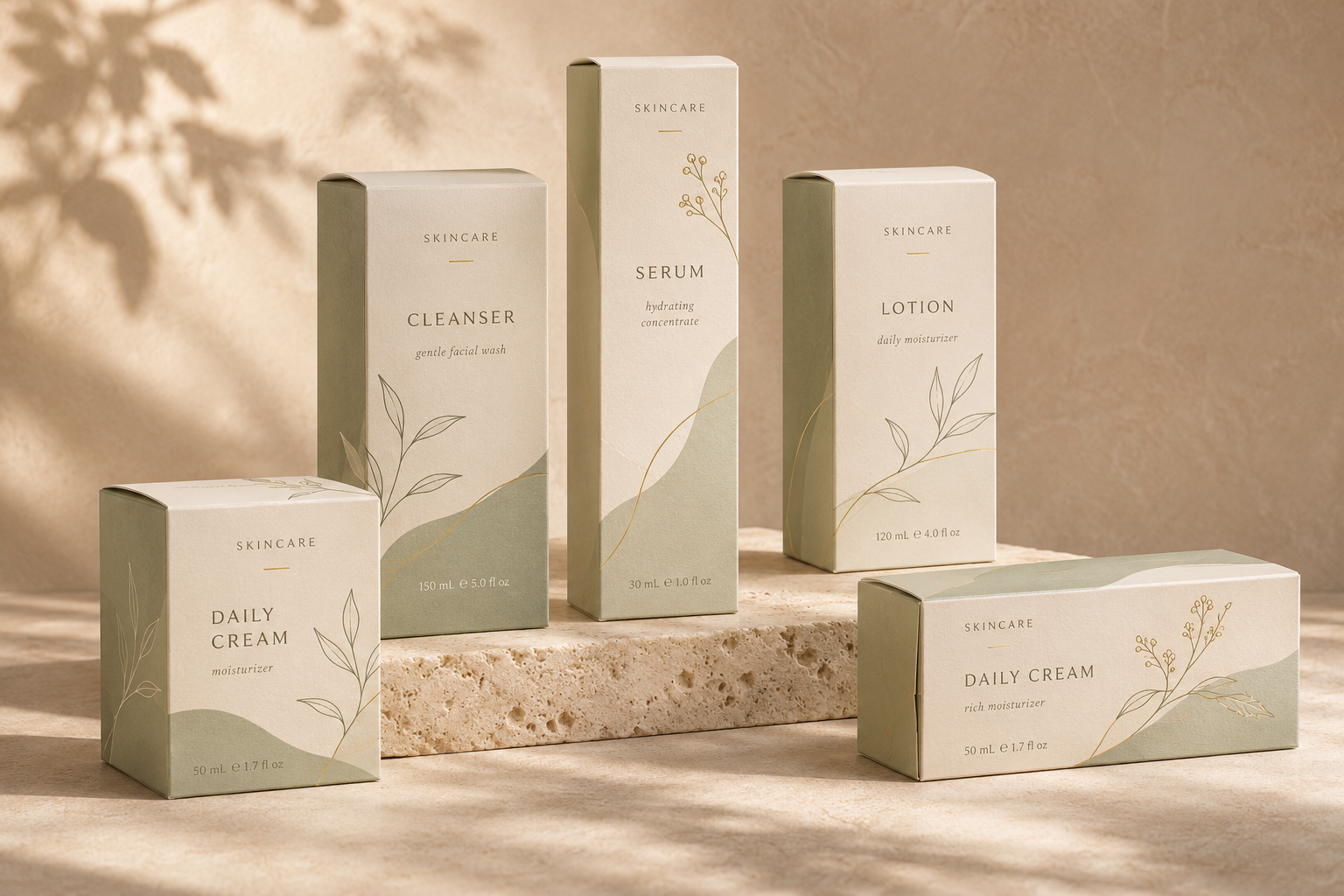
Quality starts with how the packaging works. The box needs to fit the product properly, fold cleanly, and create a positive experience when the customer opens it. The printing should be sharp, the information easy to read, and the finish appropriate for the brand. The box should also feel good to the touch and convey quality.
A beautiful design can lose its impact if the bottle moves around inside the box or the panels don’t line up correctly. We want the structure and design to work together. That’s why getting the sizing right and reviewing the proof carefully are such important parts of the process.
The quality of the artwork matters, too. High-quality vector artwork produces exceptionally crisp printing, adding to the package’s elegance and professional appearance. We can also create your box or label artwork from scratch at no additional cost.
2. How do you keep a brand’s boxes and labels consistent?
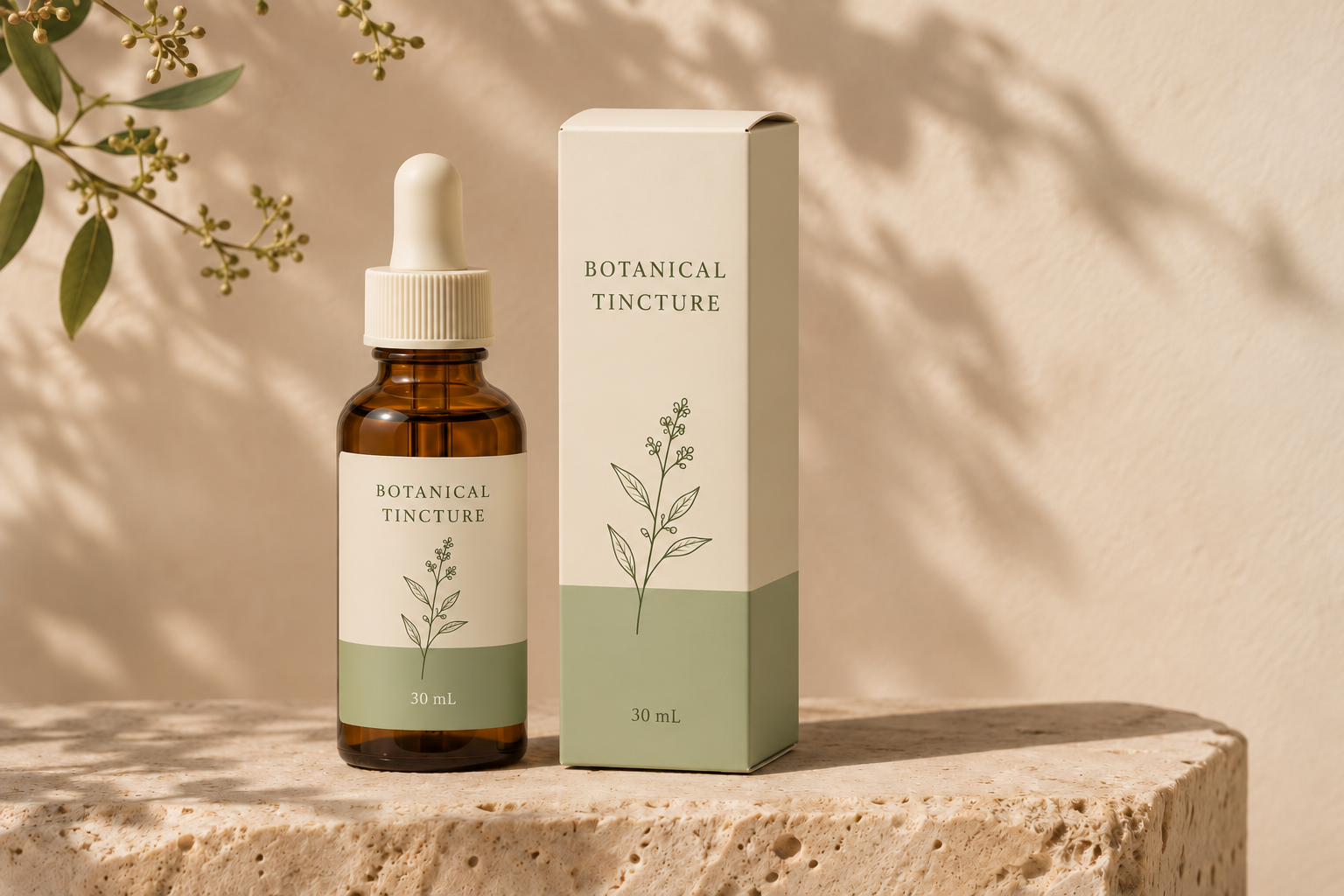
One advantage we offer is that we produce both boxes and labels—and print them on the same press. That gives us a strong starting point for keeping a brand’s colors consistent across its packaging.
Materials and finishes still matter. A color can look different on a matte label than on a glossy box, so those choices need to be considered together. Because we offer the same types of finishes for both boxes and labels, the transition between them can be seamless and consistent.
We also consider the product line as a whole. The logo, typography, and layout should feel related while giving each product enough distinction for customers to recognize what they’re buying. We can help customers create a coordinated look rather than leaving them to develop the box and label separately. Using AI, customers can work with their preferred AI agent to create a sample design, select fonts, and gather other assets for the YBS team to use in creating the finished vector artwork.
3. What can a customer do to keep their order moving?
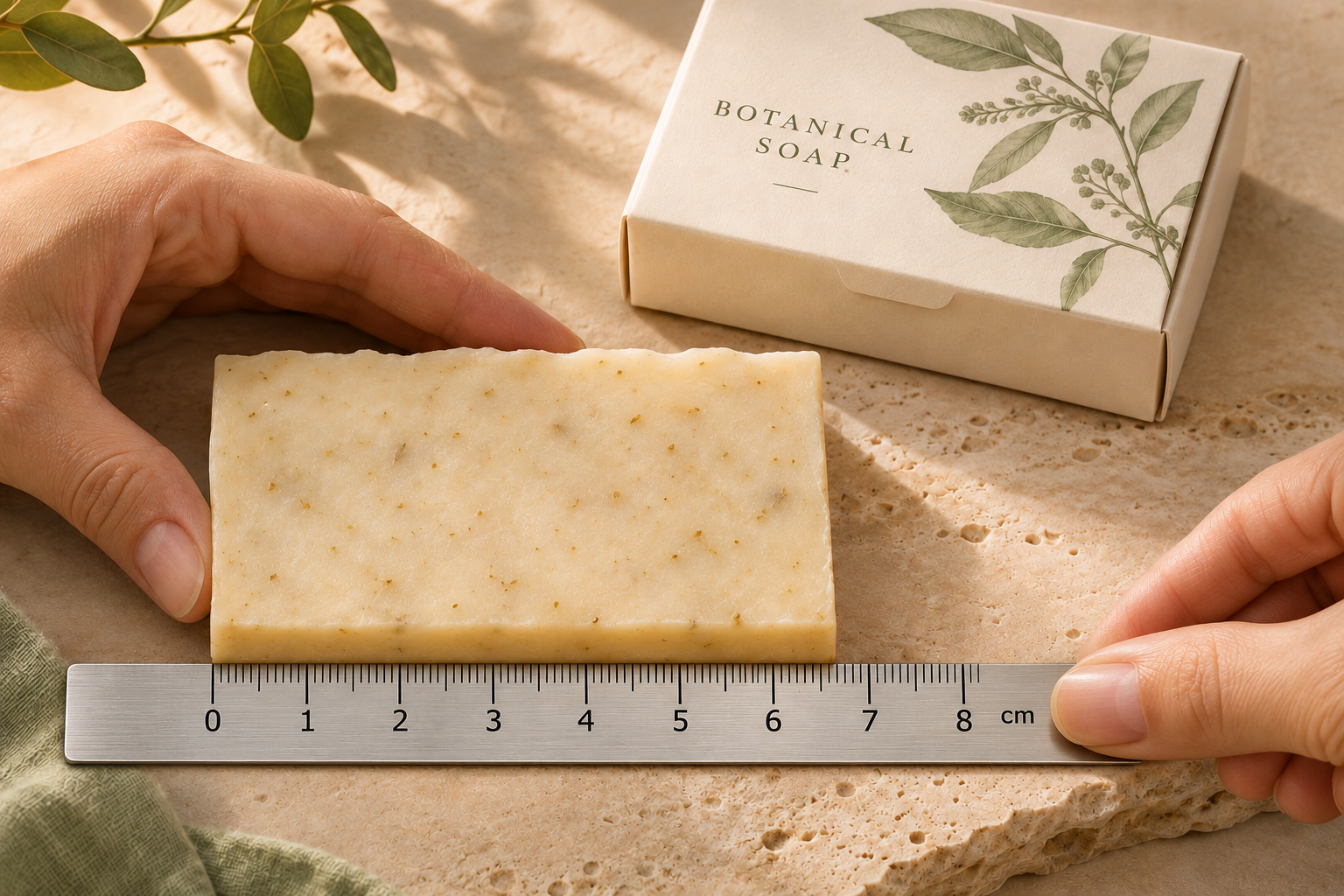
The biggest help is to provide the product dimensions, quantities, artwork or design direction, and the date the packaging is needed. If there’s any question about fit, sending us the actual product can save a great deal of back-and-forth. Customers often ask how late they can approve an order and still receive it by a certain date. The safest answer is always: the sooner, the better. An unexpected issue elsewhere in the supply chain could otherwise put a launch behind schedule.
Having the final copy ready also makes a difference. Product names, ingredients, directions, logos, and barcodes should all be checked before the artwork is approved. We offer free design help, so customers don’t need to have a finished layout to get started.
Once the proof is ready, take the time to review it thoroughly. I always recommend having a second person check it as well. A careful review upfront is much easier than correcting an error after production has started.
4. What affects the price, and where can a brand save money?
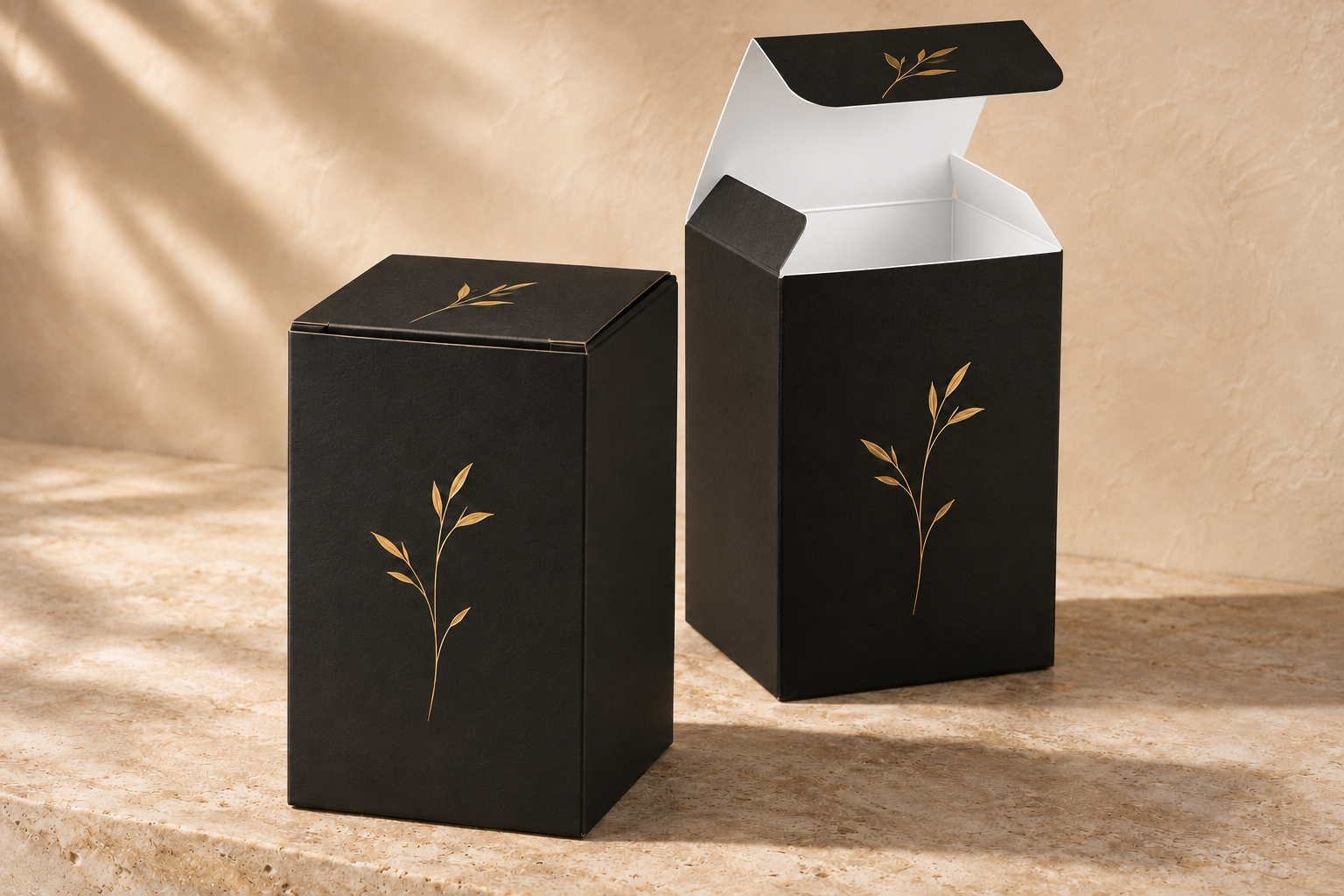
Quantity, box size, structure, material and finishing choices all affect the price. A larger box uses more paperboard, and additional processes such as foil stamping or embossing add production steps and cost.
One of the best places to start is the fit. An unnecessarily large box can mean paying for material you don’t need. Then we can look at which finishes contribute the most to the design. Strong artwork, good color and a well-chosen laminate can create a polished package without adding every available embellishment.
It also helps to compare a few order quantities. A larger run may bring the unit price down, but that only makes sense if the brand can use the inventory. We want customers to understand the options and choose what works for their business.
5. What advice would you give a growing brand balancing all three priorities?

Tell us what matters most and where there’s flexibility. Is there a launch date that can’t move? A target cost per box? A particular finish that’s central to the brand? Those details help us recommend something realistic from the beginning.
I’d also encourage brands to think beyond their first order. Consider how quickly they expect to sell through the packaging, whether the design or product information may change, and what reordering will look like.
The goal is packaging they’re proud to put on the shelf, at a cost they can support and on a schedule they can plan around. Bringing us into the conversation early gives us more opportunity to help them get that balance right.

