


Foil stamping adds a foil layer, embossing raises a design, and debossing presses it into the surface. Choose foil when reflection is the priority, embossing when you want raised texture, and debossing when you want a recessed detail. A package can combine these effects, but the artwork, board, tooling, and finish sequence need to work together.
This comparison explains how the three finishes look on folding cartons, what to specify in your artwork, and what to ask before approving a production quote.

Foil stamping: reflective detail without full metallic coverage
In hot foil stamping, a heated die and pressure transfer foil to selected areas of the package. Metallic gold and silver are familiar examples, but available colors and effects depend on the foil system and stock. A foil detail is different from a metallic-looking printed color.
Use foil to highlight a brand name, small border, emblem, or limited-edition detail. For a dark perfume carton, a restrained reflective logo can create a clear focal point without covering every panel. Assess the result under more than one light angle, because the reflection changes as the box moves.
Foil alone does not necessarily create a raised logo. If dimensional relief matters, specify embossing as well. Review YBS foil and finishing options with the intended paperboard before deciding.

Embossing: a raised design on the carton surface
Embossing forms relief above the surrounding board. A blind emboss uses the paper surface itself, without aligning the relief to printed ink or foil. A registered emboss aligns the raised detail with another design element.
Consider a blind embossed emblem on an ivory skincare carton when you want texture without a strong color contrast. The effect is easiest to judge in a physical sample: lighting, board thickness, surface texture, and the shape of the artwork all influence how noticeable it is.
A detailed drawing does not automatically become a good embossing die. Ask your supplier to review thin strokes, small gaps, and the available space around the logo. Simplifying a mark can make the relief more legible than trying to reproduce every tiny detail.

Debossing: a recessed impression
Debossing lowers the design into the board. It can be used without ink or foil for a subtle impression, or aligned with another finish where the selected construction supports it.
For a simple personal-care carton, a recessed emblem can provide a tactile focal point while leaving the rest of the artwork quiet. Avoid treating deeper as automatically better: the usable impression depends on the stock and structure. Review the inside surface as well if the carton has interior printing or a visible opening experience.
Explore debossed packaging or compare embossed boxes when discussing the direction with your box specialist.
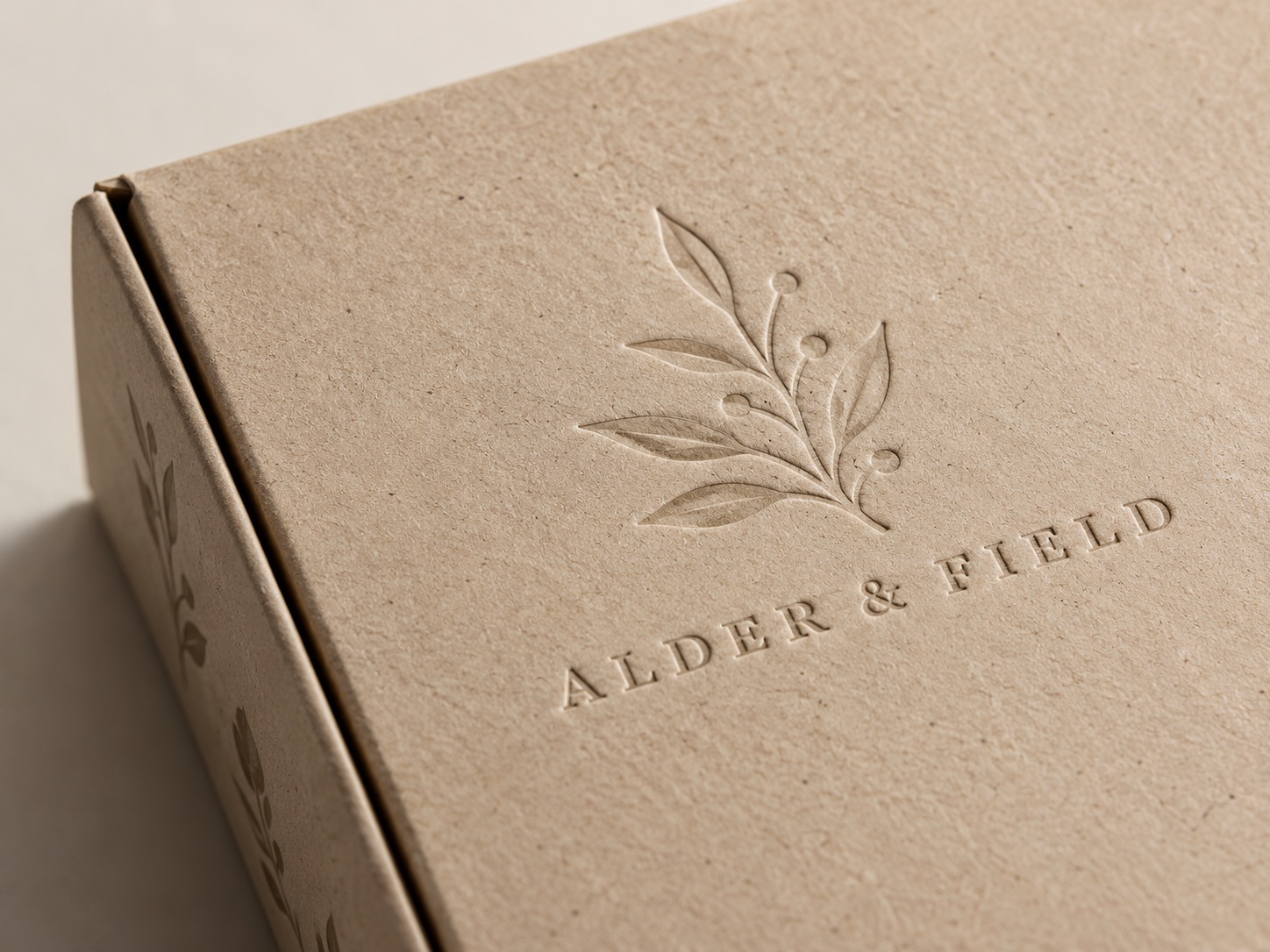
Foil, emboss, or deboss: a practical comparison
- For shine: start with foil. Ask how the chosen foil contrasts with the base color and surface finish.
- For raised texture: start with embossing. Keep the main shape legible at the actual package size.
- For recessed texture: start with debossing. Confirm that the chosen board can support the intended impression.
- For both reflection and relief: discuss a combined finish and request a sample of the combination.
- For a tighter budget: compare the total quote for one well-placed effect against a more complex treatment.
There is no universal ranking of the three by price or durability. Design area, board, tooling, quantities, and production sequence can change the result. Two finishes may use separate operations or a combination process, so ask how your specific design will be produced rather than assuming a fixed number of steps.

How to prepare artwork for a finishing quote
- Confirm the dieline first. Use the approved size and structure, not artwork scaled from a different carton.
- Identify each effect. Supply clearly named artwork elements for foil, emboss, and deboss according to your supplier's instructions.
- Provide usable artwork. Ask for the required vector format, color separation, and naming convention. Do not assume a low-resolution logo image is suitable for tooling.
- Check fine details. Ask about minimum line thickness, gaps, type size, and clearances for the chosen process. Those limits vary.
- Review folds and edges. Keep important detail clear of scores, cut lines, and glue areas unless the supplier has approved the placement.
- Specify the full surface system. Include the board, printing, coating or laminate, and the intended finishing order.
For a new project, the box-style guide helps settle structure before the artwork becomes final. The MOQ guide explains why special finishing can affect the economics of a short run.
Choose the finish around the product
A minimalist serum carton and a giftable candle box do not need the same treatment. Compare the actual package at shelf distance, then handle it. Ask whether the logo is recognizable, whether the finish helps the design hierarchy, and whether the opening experience feels consistent with the product.

Packaging finish FAQs
Is embossing the same as foil stamping?
No. Embossing changes the shape of the board; foil stamping transfers a foil layer. They can be combined, but one does not automatically include the other.
Can kraft cartons be embossed or foil stamped?
YBS lists foil, embossing, and debossing among its kraft options. Confirm the specific artwork and board combination; paper texture can change how small details appear.
Should I approve a finish from a digital mockup?
A mockup is useful for placement, but it cannot reproduce physical reflection or texture. Request finish samples and clarify whether they represent your exact specification.
Request a finish comparison for your carton
Send your artwork, dimensions, quantities, and preferred finish for a quote. Include whether the design needs shine, raised relief, recessed detail, or a combination so the options can be compared on the same basis.
Updated October 13, 2026.

