


The right folding-carton box style depends on product fit, weight, packing method, display, and distribution. A tuck-end carton may suit a small retail product; a manual lock bottom or pre-glued crash bottom may be worth comparing for a heavier jar or a faster packing process. A separate base and lid offers a different presentation for a gift set.
Start with how the package will function, then choose the material and artwork. This guide compares common paperboard carton structures and the questions to settle before approving a dieline.

Start with five product and packing questions
- What goes inside? Record the finished product's dimensions, weight, closure, and any protruding parts. Include labels and protective components.
- How is it packed? Hand packing and automated cartoning have different structural requirements. Check the intended filling and closing sequence.
- How is it displayed? Shelf orientation, front-panel visibility, and access to the product affect the opening and artwork layout.
- What protection is needed? A glass jar, lightweight soap bar, and delicate cosmetic component need different support.
- How does it travel? A retail carton placed in an outer shipper has a different role from the corrugated package used for parcel delivery.
Use our guide to measuring your box to establish the starting dimensions. Confirm internal clearance and material thickness with a physical sample rather than sizing solely from an external measurement.
Straight tuck-end and reverse tuck-end cartons
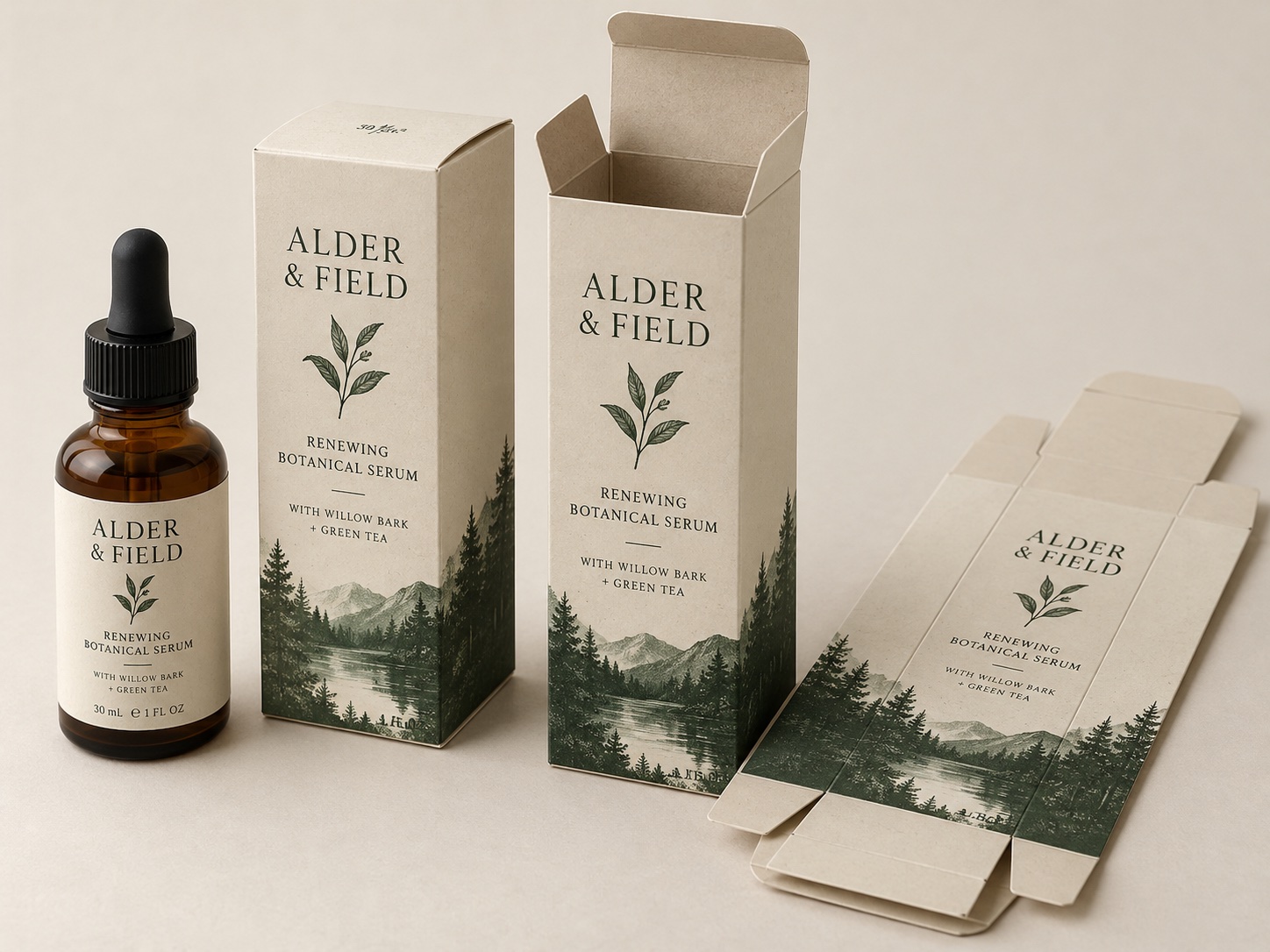
Both structures use tuck closures and can be supplied in a flat form before assembly. The distinction is the relationship between the main top and bottom flaps: straight tuck-end flaps close in the same direction; reverse tuck-end flaps close from opposite directions.
These are useful starting points for retail cosmetics, small bottles, soap, and other products where a conventional printed carton fits the job. Choose between them with the dieline, front-panel presentation, and packing method in view. Do not assume the closure name alone establishes a safe load capacity.
Compare straight tuck-end boxes and reverse tuck boxes. A physical example makes the flap direction easier to understand than an assembled-box photograph.
Two-piece boxes: a separate base and lid
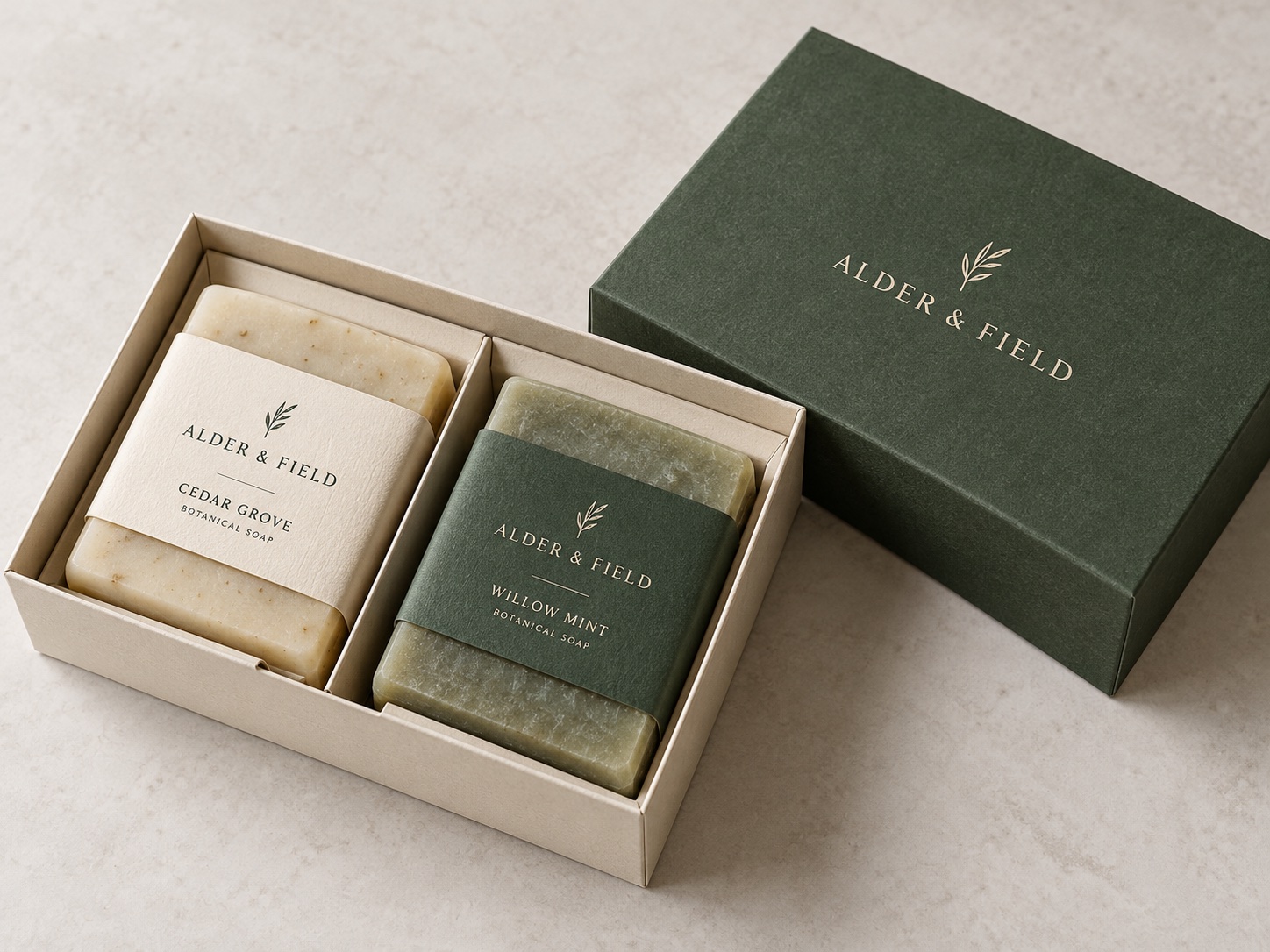
A two-piece box opens by lifting a separate lid off a base. It can present a soap pair, cosmetic set, or gift product in a different way from a tuck-end carton. An insert may help organize several components and keep them in their intended positions.
Ask about the actual construction. A folding-paperboard base and lid is not the same product as a thick rigid presentation box. Confirm whether the components arrive flat or assembled, how they are erected, and how the product is retained when the box is handled.
Review YBS two-piece boxes if the opening experience is a central part of your design.
Manual lock bottom versus crash bottom
Manual lock bottom: interlocking flaps
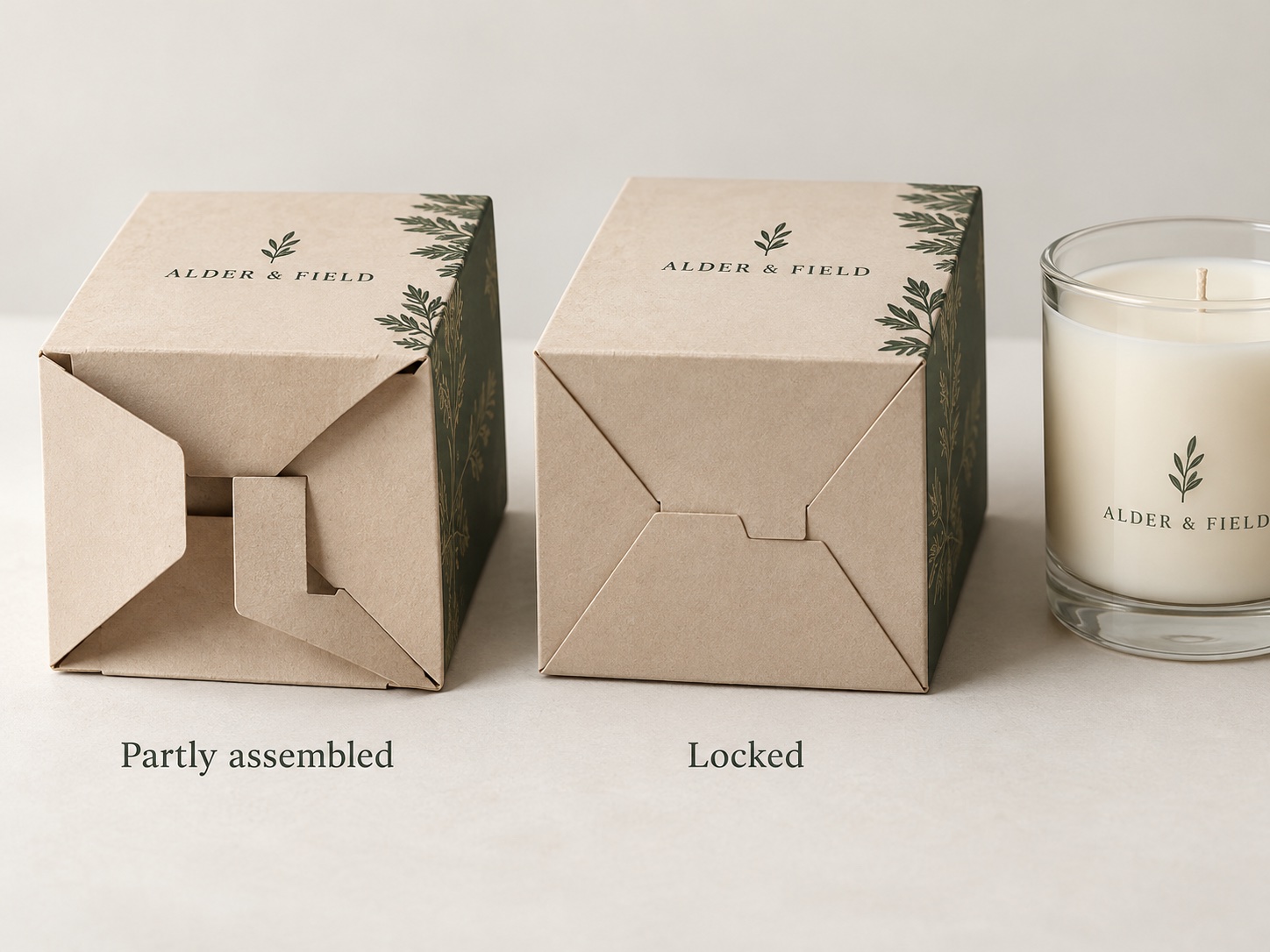
A manual 1-2-3 or snap-lock bottom is assembled by folding and engaging the shaped bottom flaps. It is worth discussing for jars and other products that need a more secure base than a basic tuck closure. The full carton specification still determines performance.
Crash bottom: pre-glued for quicker erection
A crash-bottom or auto-bottom carton uses a pre-glued base that opens into position as the carton is erected. Compare it when repeated manual bottom assembly is a significant packing task. Check how the base locks, how the carton is filled, and whether it works with your intended product and packing line.
These terms are sometimes used loosely, so ask to see the closure rather than approving a name alone. YBS offers separate pages for lock-bottom boxes and crash-bottom boxes.
Paperboard retail cartons and corrugated shipping boxes
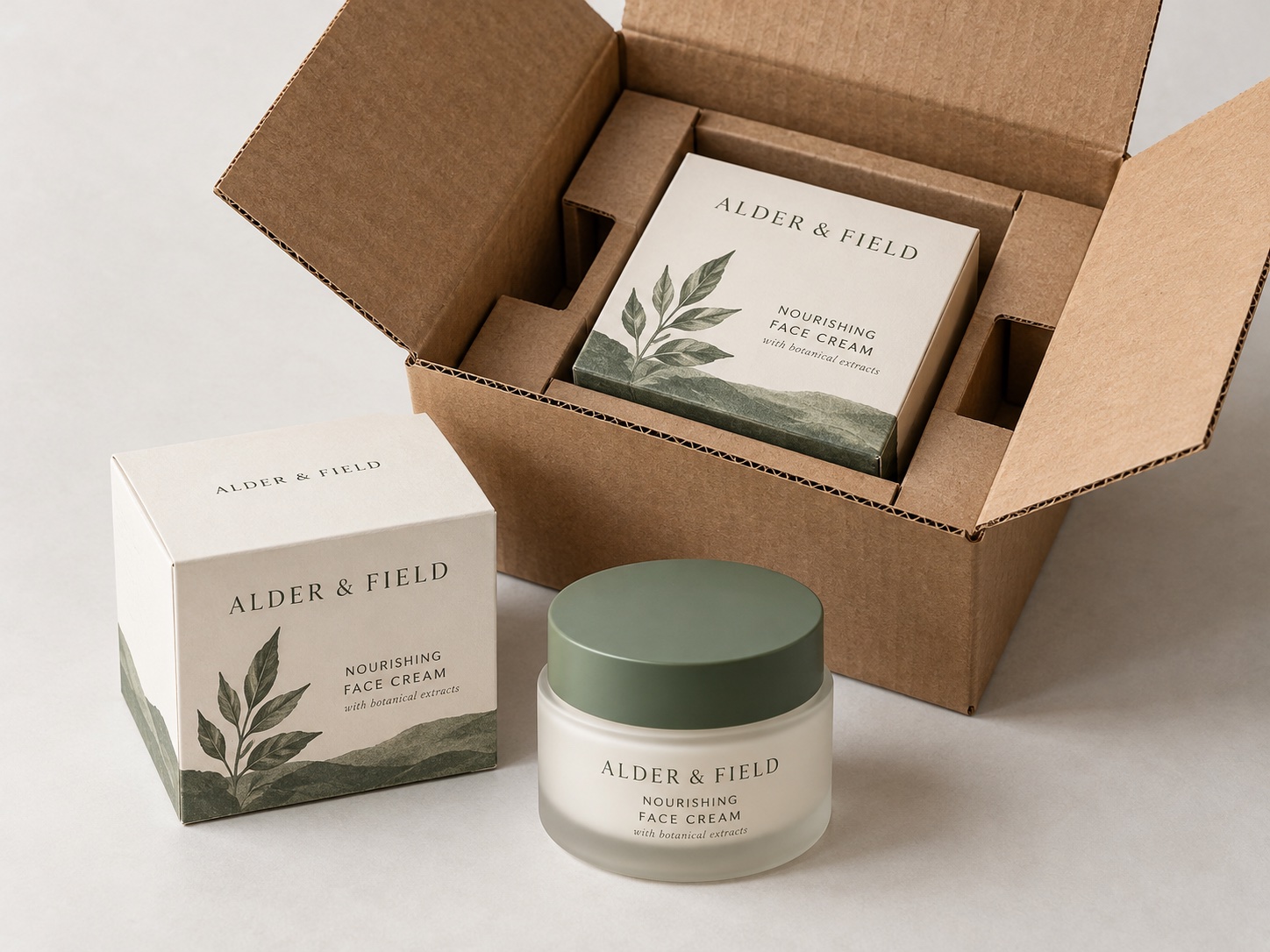
A folding carton is made from paperboard and is often part of the retail presentation. A corrugated shipper has a fluted layer and is commonly used as the outer transport package. They can work together: a printed skincare carton inside a fitted outer shipper is one example.
For direct-to-consumer orders, evaluate the whole system. Check whether the product moves inside its retail carton, whether the carton moves in the shipper, and whether cushioning is appropriate. A stronger bottom alone does not address every transit risk.
Match the style to a real product
- Small serum bottle: compare tuck-end structures, then check the cap or dropper height and whether an insert is needed.
- Glass cream or candle jar: discuss a manual lock bottom or crash bottom, board selection, and internal support.
- Two-bar soap gift set: compare a base-and-lid arrangement with a carton-and-insert option, including assembly and storage.
- Soap with partial product exposure: consider whether a printed sleeve provides the presentation and handling protection the product requires.
These are starting points for sampling, not guaranteed specifications. Review the material and finish options together with the structure, especially when artwork crosses folds or when interior printing is planned.
Confirm the structure before finishing the artwork
Request a sample of the intended structure and put the actual product inside. Assemble it several times, check the closure, and try the removal sequence. If the size or bottom changes, obtain the revised dieline before updating graphics. Artwork built around an obsolete structure can create avoidable rework.

Box-style FAQs
Which folding-carton style is best for a heavy jar?
Start a discussion about the product weight, board, bottom closure, and insert. Manual lock-bottom and crash-bottom structures may be candidates, but a sample and appropriate evaluation are needed.
Do all folding cartons ship flat?
Many do, but confirm the supplied state for the actual structure. Base-and-lid components and specialty structures may have different packing and assembly arrangements.
Should I choose the finish or box style first?
Settle the product fit and structure before treating artwork as final. Then review the finish with the approved dieline and board. Our finish comparison can help.
Find a structure for your product
Browse custom packaging styles, request physical samples, or send your dimensions, weight, quantity, and packing requirements for a quote. See the sample inspection guide before approval.
Updated October 13, 2026.

