


The right folding carton starts with your product, how you pack it, and where it will be sold. This guide explains common box styles, how their closures work, and what to discuss with YBS before choosing a structure. Use the original diagrams and product photos below to compare your options.
Find the right box for your product.
Get pricing, talk through your packaging needs, or explore a box concept in Design Studio.
Compare Common Folding Carton Styles
These examples are starting points. Suitability depends on your product, board, dimensions and approved dieline. Confirm the fit, assembly and performance with a filled sample.
| Style | Consider it for | Setup and closure |
|---|---|---|
| Straight tuck | Retail cartons with a familiar tuck closure | Tucks close in the same direction; form the base before hand filling |
| Reverse tuck | Retail cartons with opposite-end tucks | Tucks close in opposite directions; form the base before hand filling |
| Lock bottom / 1-2-3 | Products needing a manually interlocking base | Fold the bottom flaps together before filling |
| Crash / auto-lock bottom | Reducing manual bottom-folding steps | Open the carton to form its pre-glued base, then fill and close |
| One-piece tuck top | Top-opening presentations and product sets | Assemble the base and close the attached lid |
| Two-piece box | A separate tray-and-lid presentation | Set up each component as required by the design |
| Holster / half box | Showing part of the product through an open top | Form the selected base and confirm product retention |
| Box sleeve | Branding around a product or inner package | Slide the open-ended sleeve over the intended item |
| Counter display | Presenting multiple items on a retail counter | Follow the specific fold or perforation sequence |
| Five-panel hanger | Products displayed on retail hooks | Set up the carton and check the filled hanging load |
Not sure which style fits your project? Talk with YBS about your product and packing needs.
Understanding Folding Cartons
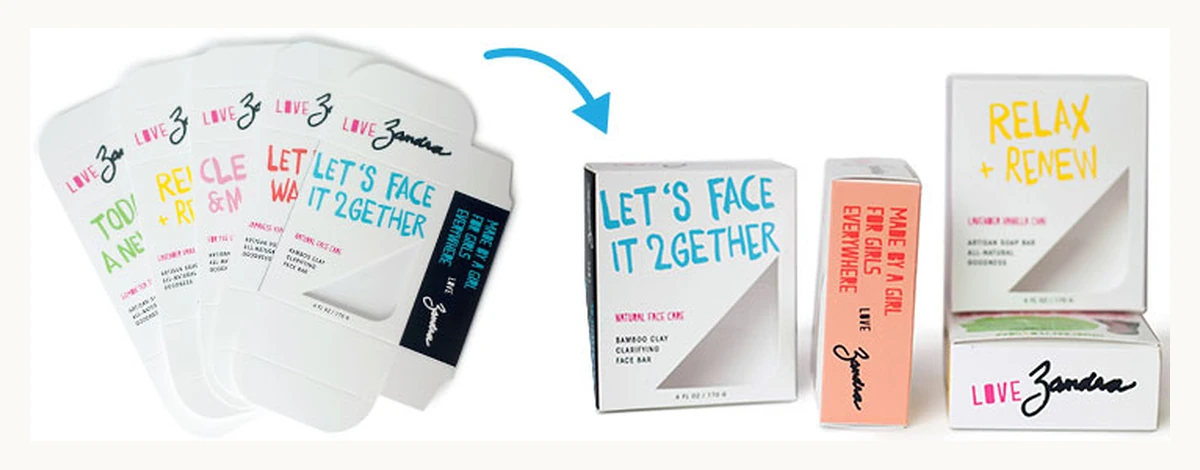
Materials, fold lines and closures work together. Understanding the basics will help you compare the styles below and ask the right questions about your packaging.
Bring YBS your product measurements and intended use. We can discuss the structure before you commit to artwork or a particular box size.
What Is a Folding Carton?
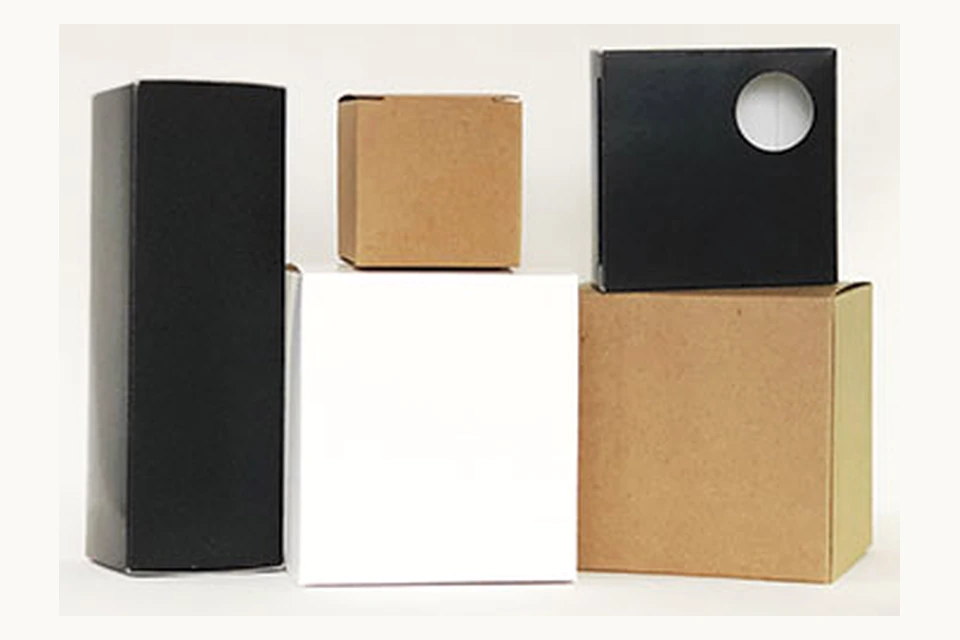
A folding carton is paperboard packaging that is printed, die-cut and creased, with gluing where the structure requires it. It is generally supplied flat for setup before filling.
Opening a flat carton, forming its base, loading the product and closing it are part of the packing process. The steps differ by style. A pre-glued base can reduce setup steps, but the carton still needs to be packed and closed.
What Is Paperboard?
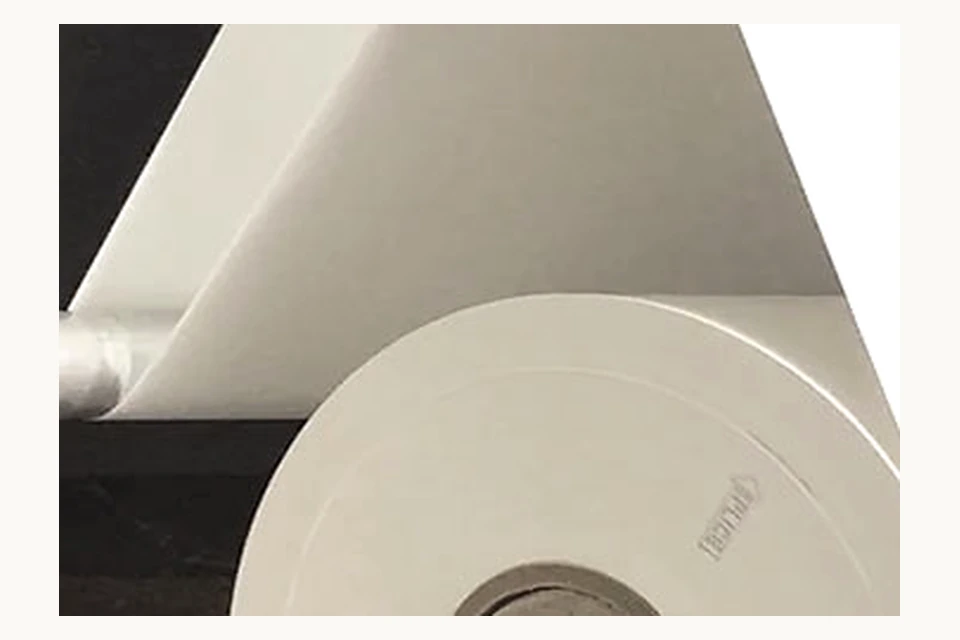
Paperboard is a paper-based packaging material available in different grades, thicknesses and constructions, using virgin and/or recycled fibers. Compare the material and finish options with the structure and appearance you need.
The selected board, carton size, closures and any inserts must work together for the filled product. Appearance alone does not establish strength or suitability.
What is Kraft Paperboard?
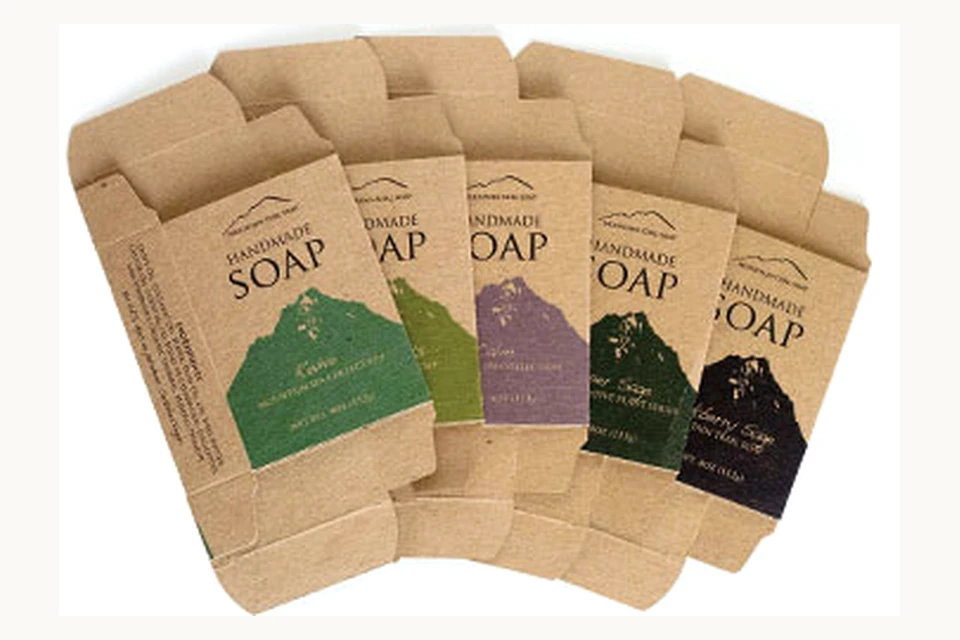
The word kraft does not establish recycled content. Kraft and chipboard are not interchangeable descriptions, and different stocks can use different fiber sources. Confirm the recycled-content specification of the particular stock selected for your order.
Want a natural brown appearance? Ask YBS about available stocks and how your design will print on them.
What is a Cutting Die?
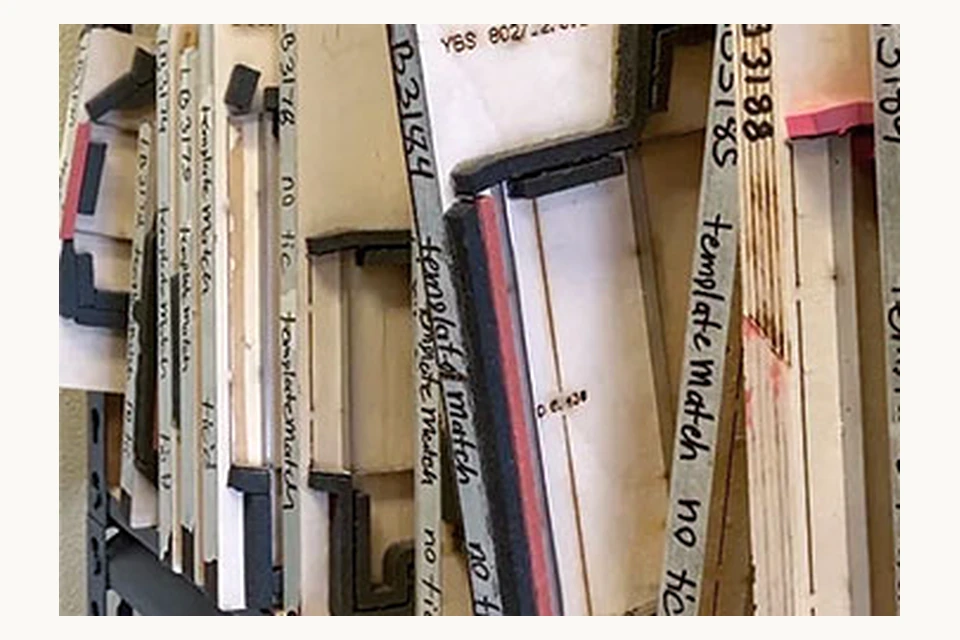
A cutting die uses shaped cutting rules to form the carton outline and openings. Creasing rules establish the fold lines so the printed sheet can become a box.
YBS can check whether existing tooling suits your product or whether a custom structure is needed. Confirm the finished dimensions, tooling requirements and any charges during quoting. Ask our team about the right dieline for your project.
Paperboard Cartons and Corrugated Packaging
Compare retail presentation and shipping protection separately. A printed retail carton may also need a suitable outer shipping case and cushioning.
Paperboard Retail Cartons
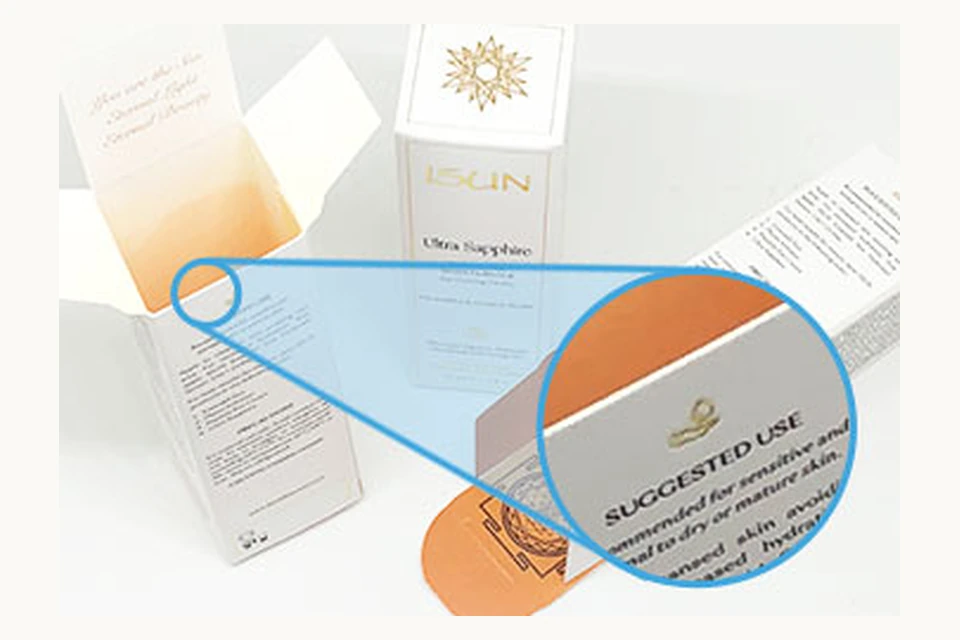
Paperboard folding cartons are commonly used to present retail products, carry branding and organize product information. These are the cartons YBS specializes in. Match the board and structure to your product and its handling conditions.
Corrugated Packaging
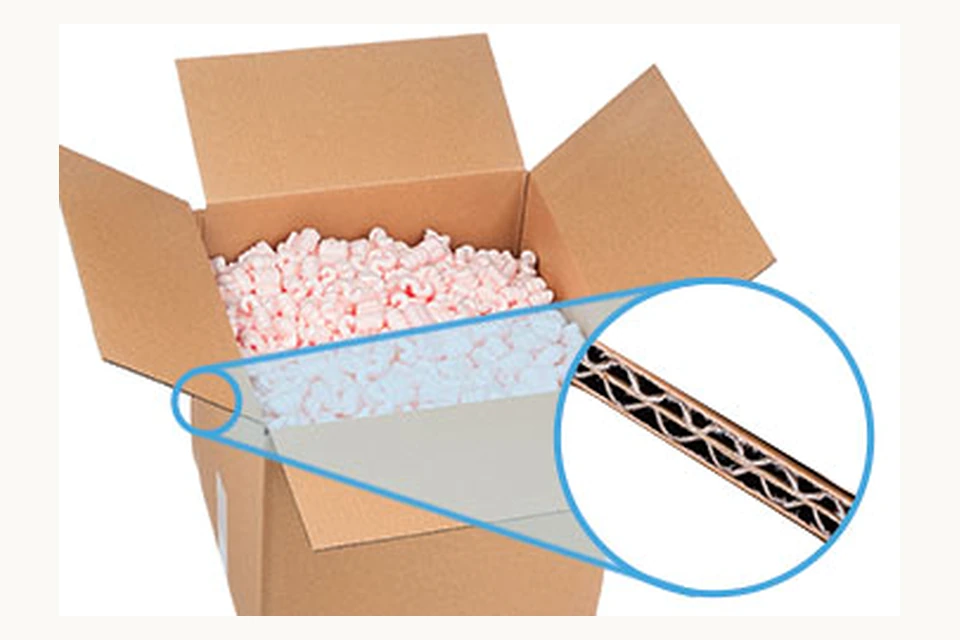
Corrugated board uses a fluted medium bonded to liner sheets. Constructions vary, including single-wall and multiple-wall boards. Shipping protection depends on the selected construction, package design, contents and distribution conditions; a retail carton is not automatically a shipping container.
See paperboard packaging examples for:
Packaging a 30 mL bottle? Plan the carton and bottle label separately so each fits its own surface. Our 30 mL bottle-label guide explains what to measure for the label.
Folding Carton Styles and Features
A carton style describes its structure and how it opens, closes and presents the contents. Inserts, cutouts and thumb notches are additional features that can be considered with the main structure.
Use these examples to narrow your options. Contact YBS if your product needs extra support, a particular packing method or a custom display.
Straight Tuck Box (ST)
The top and bottom closure panels attach to the same main panel and close in the same direction. For hand packing, erect the carton, close one end, load the product, then close the other end.
The exact tuck and locking details depend on the approved dieline. Compare the opening direction and panel layout with how the product will be loaded and displayed.
What to consider
- A familiar retail-box presentation with tuck closures at both ends.
- Flat storage before the carton is opened and packed.
- Board, dimensions and closure details suited to the filled product.
- Price based on the actual size, quantity, board and print layout; straight and reverse tuck styles do not have a universal price ranking.

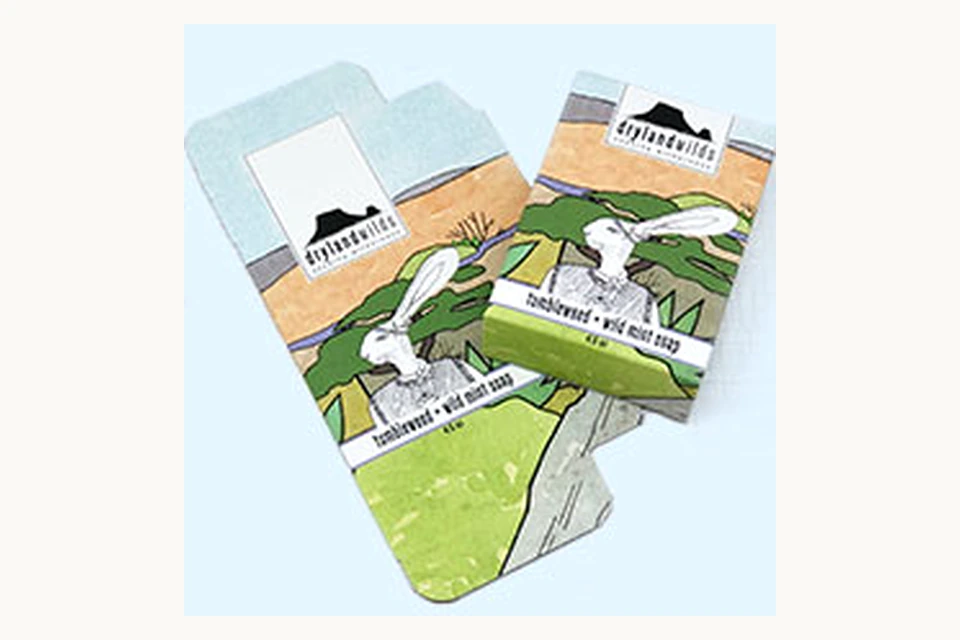
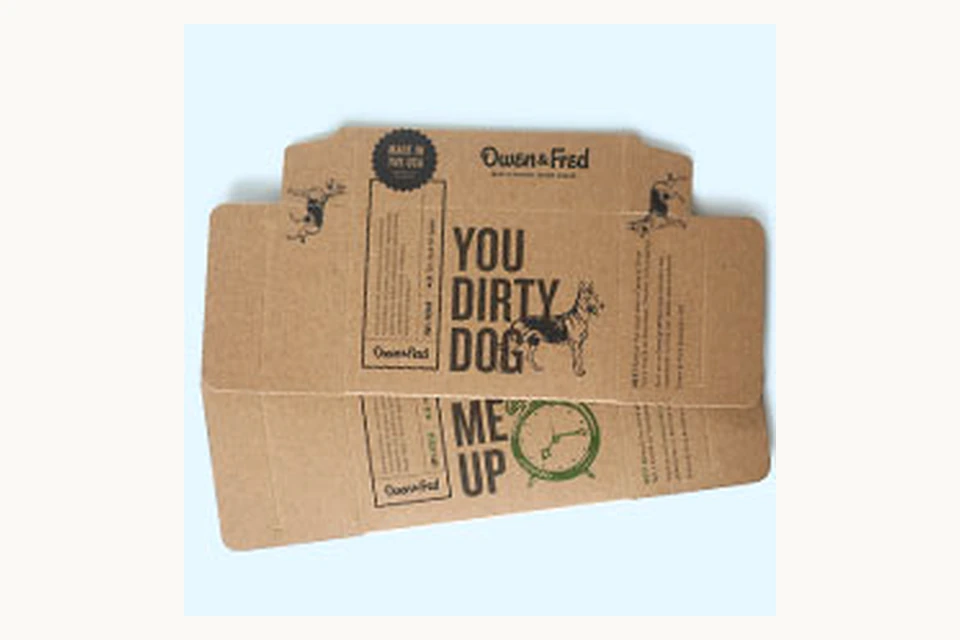
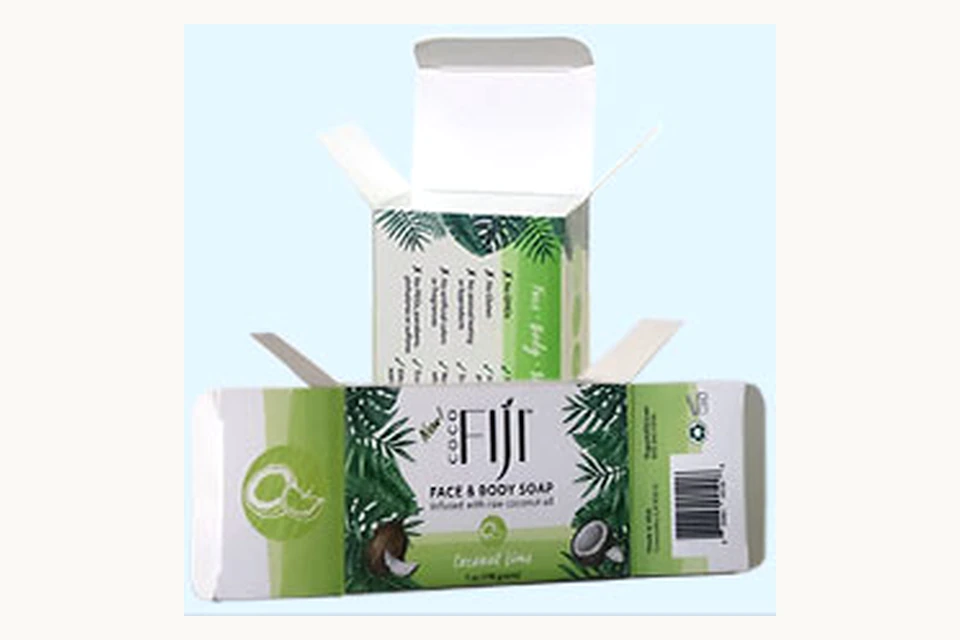
Explore straight tuck boxes or request a quote for your product.
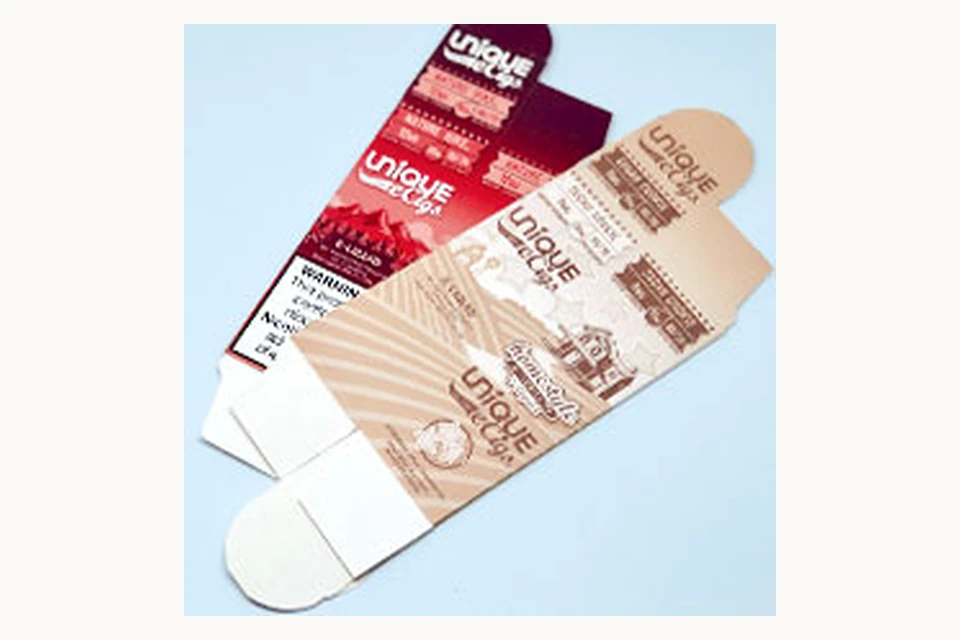
Reverse Tuck Box (RT)
The top and bottom closure panels attach to opposite main panels and close in opposite directions. For hand packing, erect the carton, close one end, load the product, then close the other end.

What to consider
- Opposite-end opening directions and their effect on packing and presentation.
- Flat storage before erection and filling.
- The locking features on the selected dieline.
- Actual quoted cost rather than an assumption that reverse tuck is always cheaper.
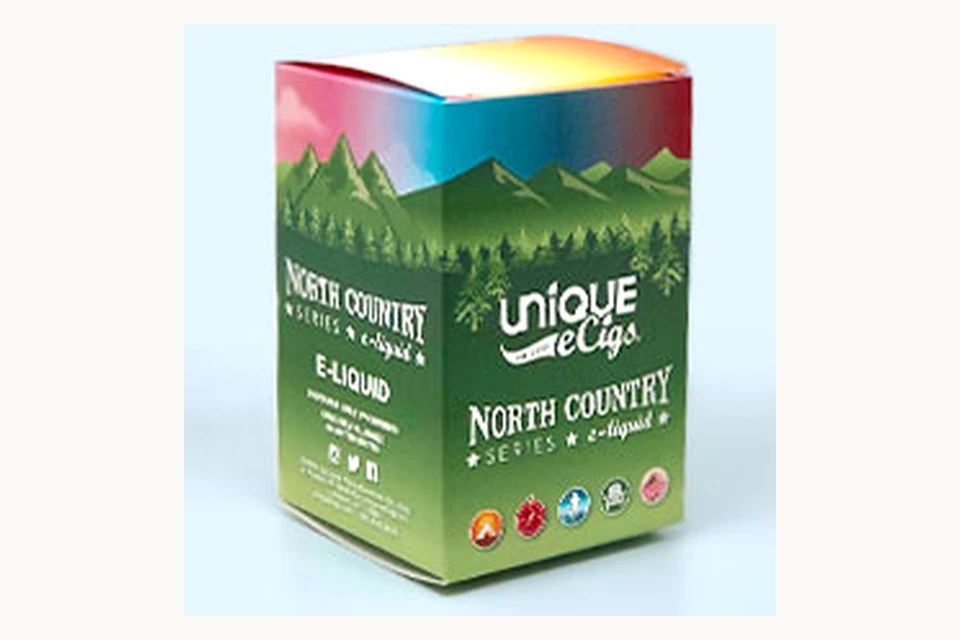
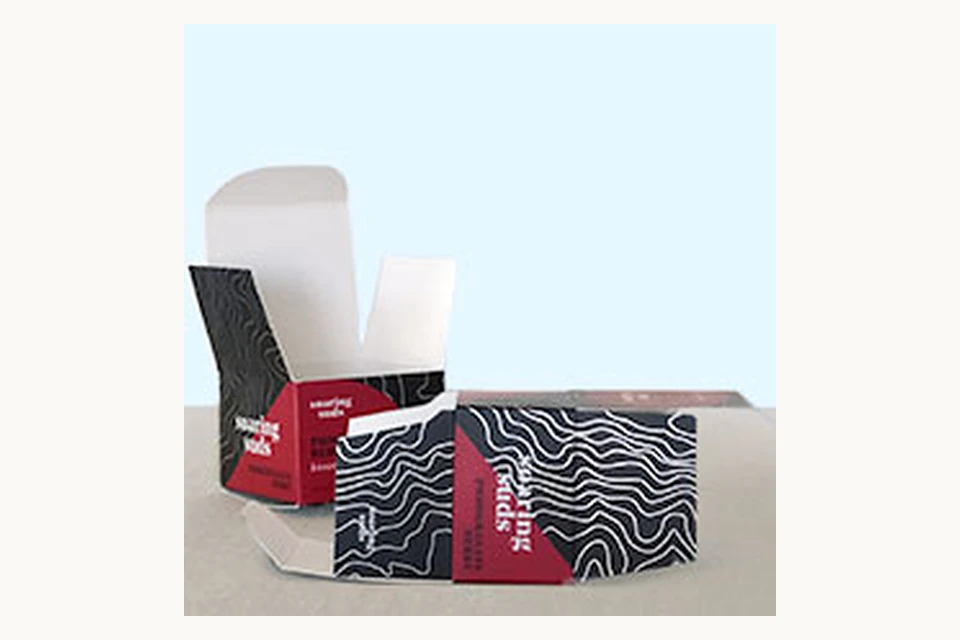
Explore reverse tuck boxes or get pricing for your carton.
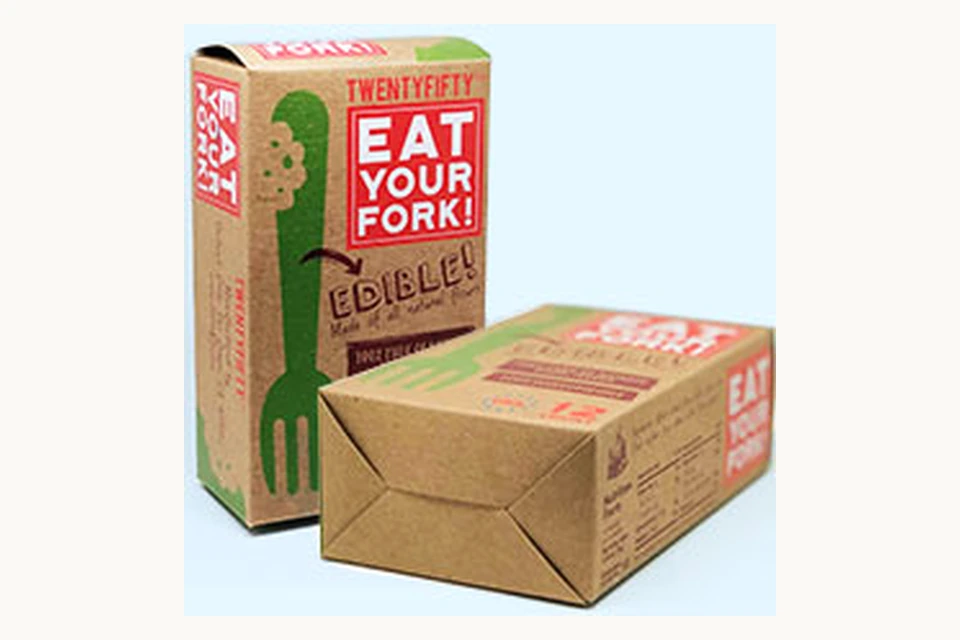
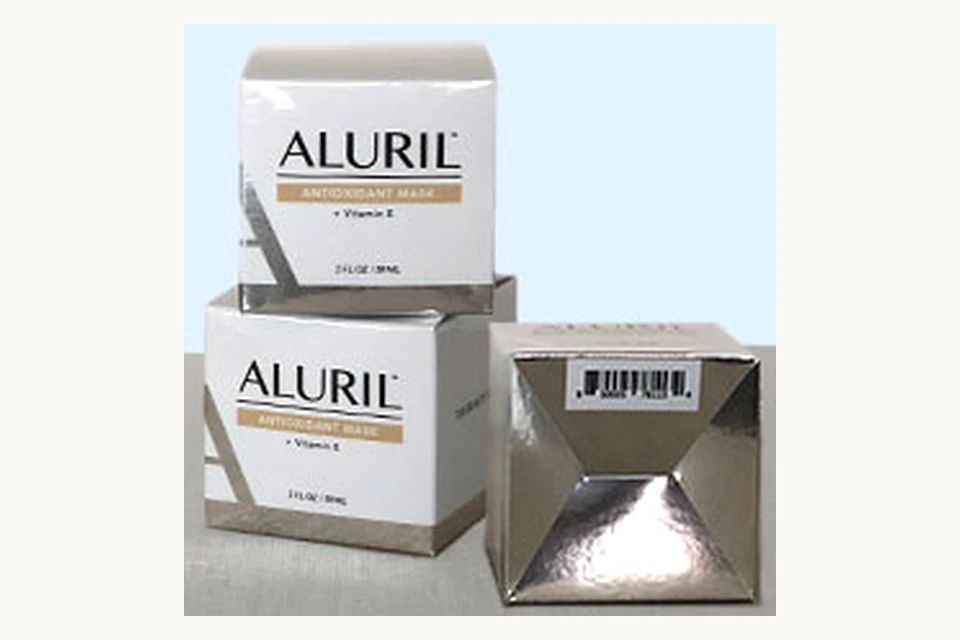
Lock Bottom Box / 1-2-3 Bottom (LB)
A lock bottom, also called a 1-2-3 or snap-lock bottom, uses flaps that are manually folded and interlocked to form the base. It is different from a pre-glued crash bottom.
A tuck closure commonly closes the top. Confirm the base, board and finished fit with the actual product, especially for glass containers or products with concentrated weight.
See the folding sequence in our lock-bottom assembly video.
What to consider
- Manual bottom-folding steps before filling.
- Filled-product weight and the way it rests on the base.
- Whether an insert or other support is needed.
- Stability and stacking tested with the finished package.


Explore lock-bottom boxes. For candles or glass jars, discuss the filled weight and protection needs with YBS.
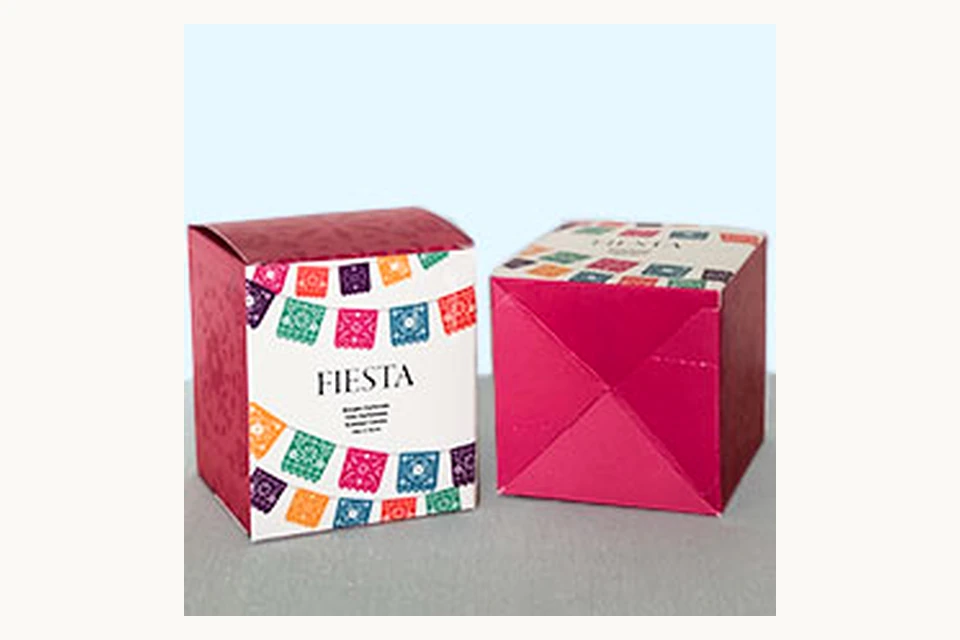
Crash Bottom / Auto-Lock Bottom Box (CB)
A pre-glued base forms as the flat carton is opened. This reduces manual bottom-folding steps; the carton still needs to be opened, loaded and closed. Crash bottom, auto-bottom and auto-lock bottom are common names for this style.

What to consider
- Quicker base setup compared with manually interlocking bottom flaps.
- A pre-glued base whose construction must suit the contents.
- Top closure and packing steps shown on the selected dieline.
- Filled-sample checks for load support, handling and stacking. No single style is the strongest choice for every product.
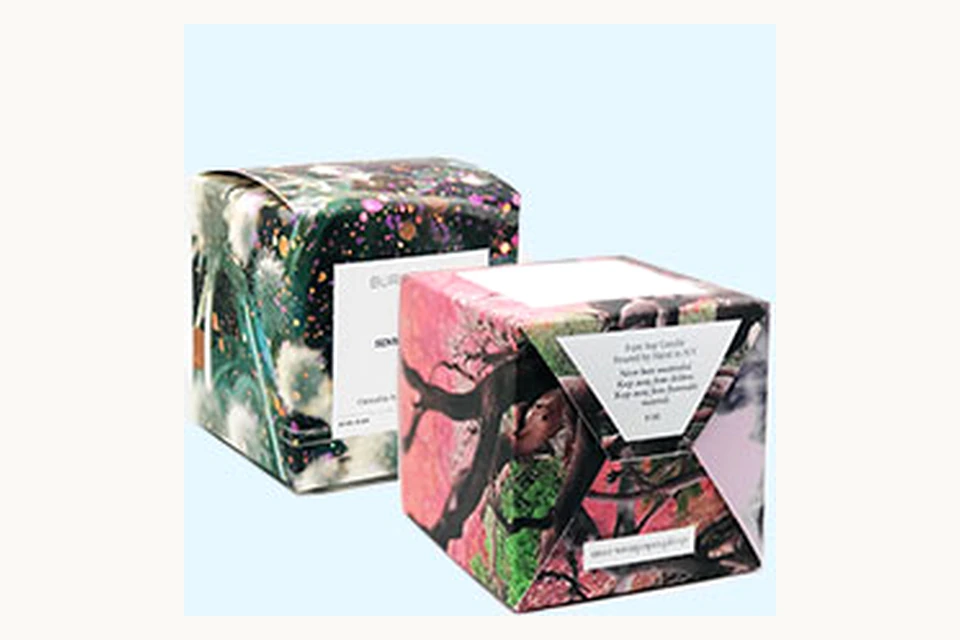
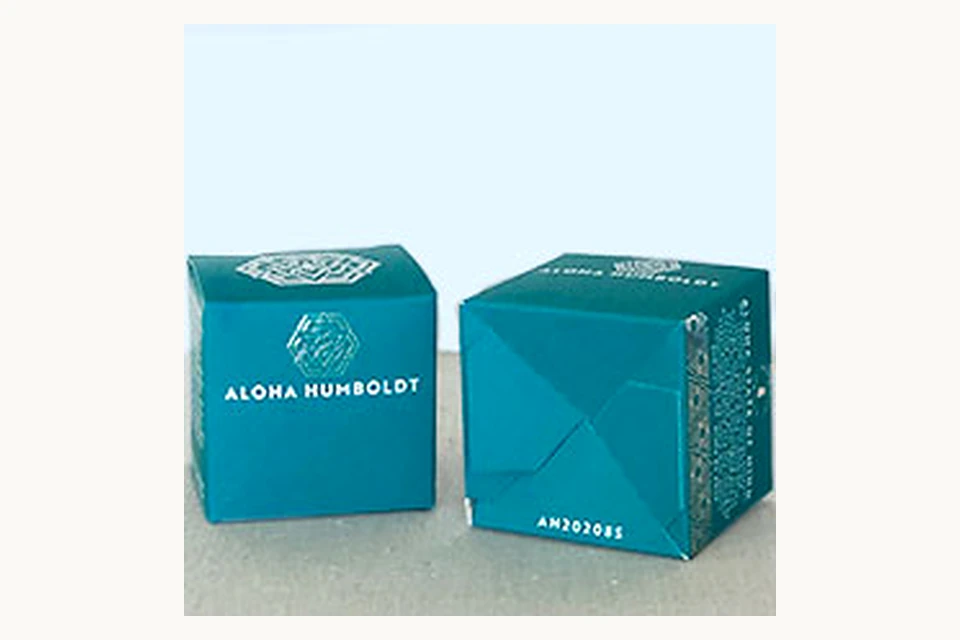
Explore crash-bottom boxes or request a quote with your product dimensions and weight.
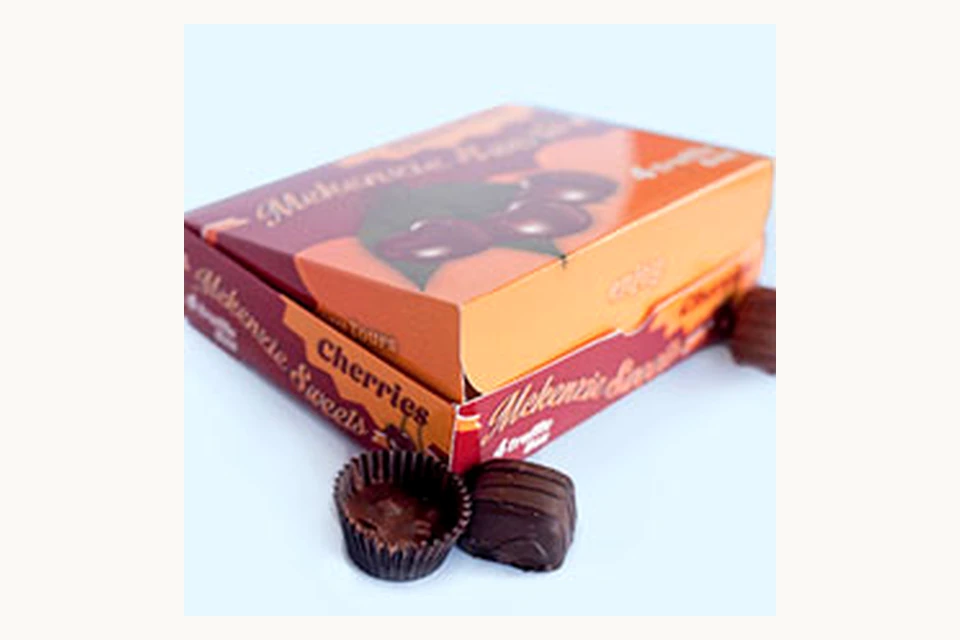
One-Piece Tuck Top Box (TT)
The illustrated style combines a folding base with an attached hinged lid. Assemble the base, load the contents and close the lid using its tuck features. It is a paperboard presentation box; a similar outline does not make it a corrugated shipping mailer.
What to consider
- A top-opening layout for presenting one item or a product set.
- Base-locking and lid-tuck details specific to the dieline.
- Space for branding on the lid and other printable panels.
- Whether dividers or inserts are needed to organize the contents.

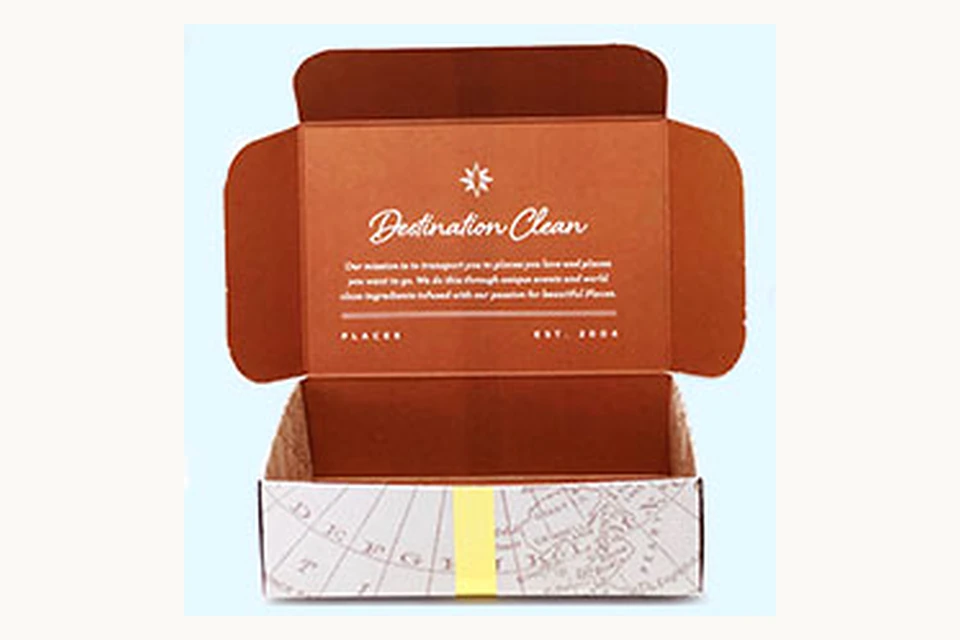
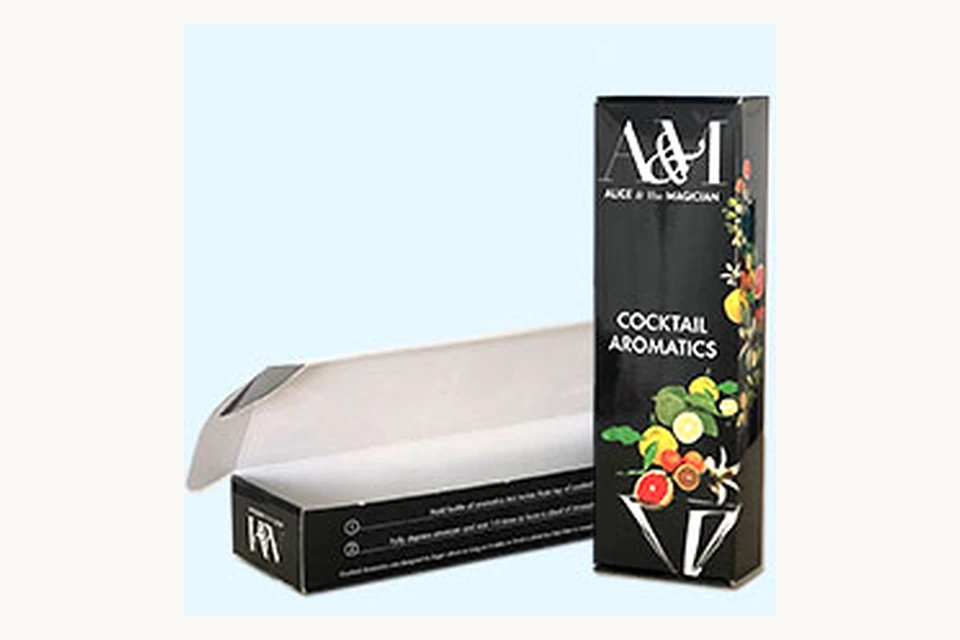
Explore tuck top boxes or get a quote for your product set.
Two-Piece Box (TP)
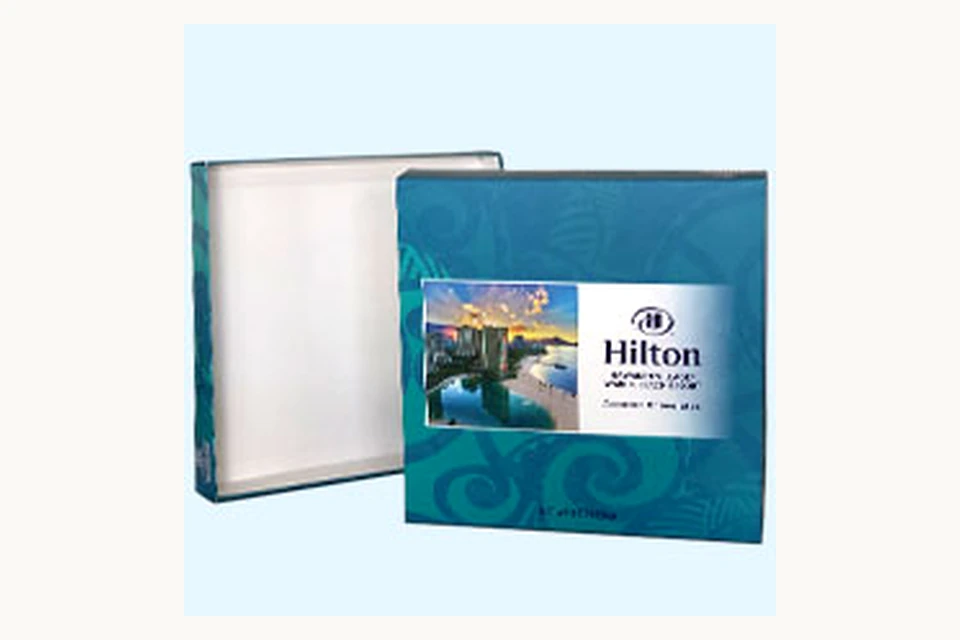
A separate base and lid form this package. It can suit a tray-and-lid presentation for a single product, confectionery assortment or coordinated set.
The illustrated fold-flat version requires both components to be set up. Wall construction, gluing and locking details vary by dieline. An insert can be designed with the tray when the contents need organization or restraint.

What to consider
- Separate base and lid dimensions, fit and opening experience.
- Setup steps for each component of the selected construction.
- Product arrangement and any insert requirements.
- Whether a sleeve or another closure is needed for handling.


Explore two-piece boxes or talk with YBS about the presentation you want.
Holster Box / Half Box (HOL)
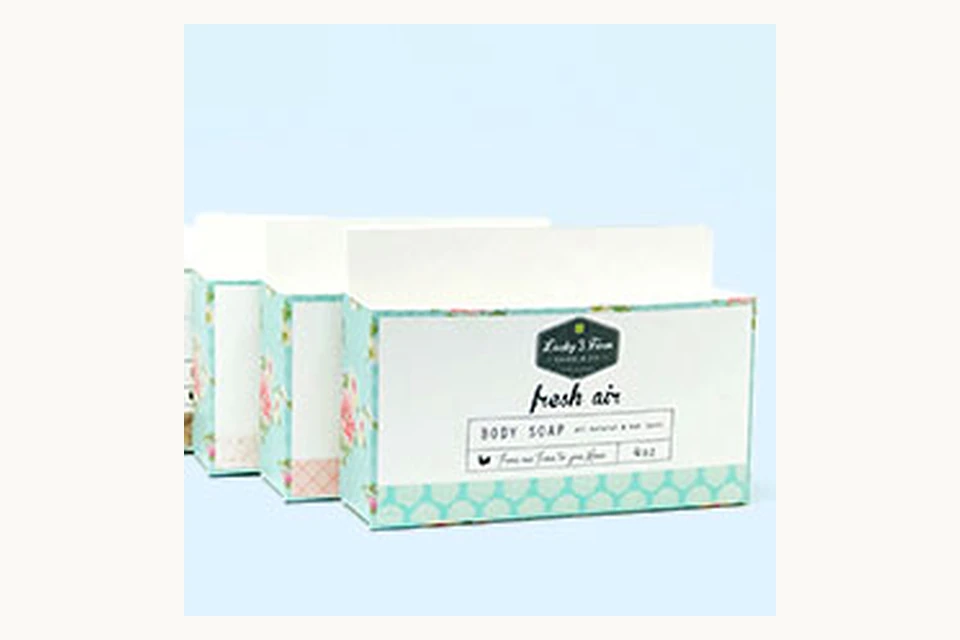
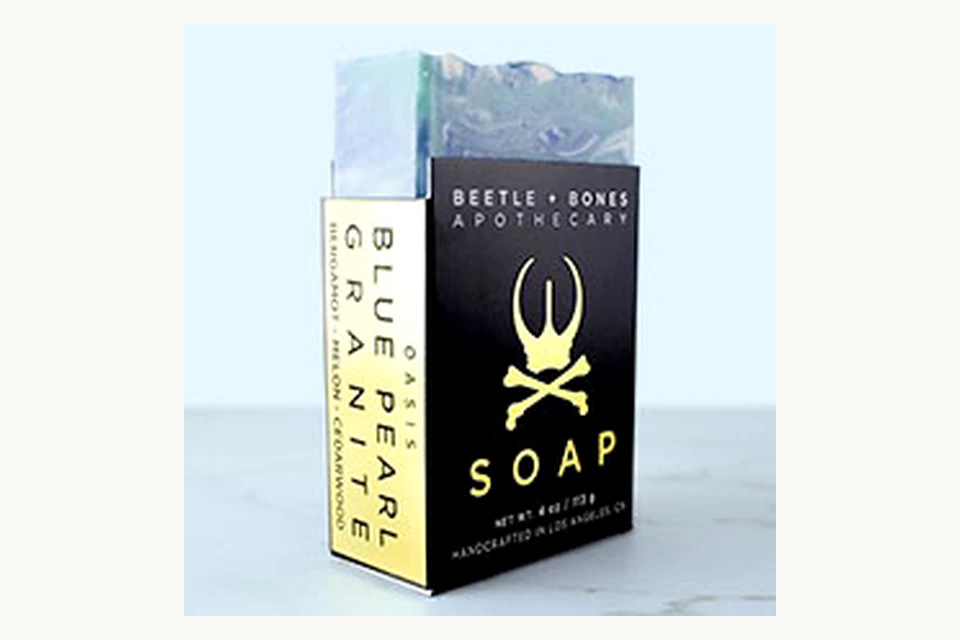
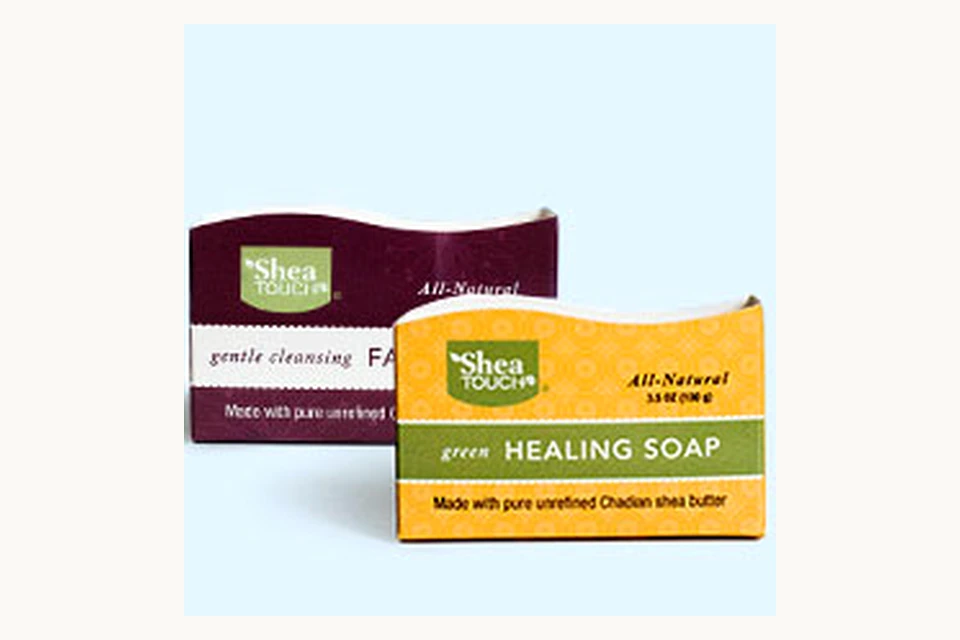
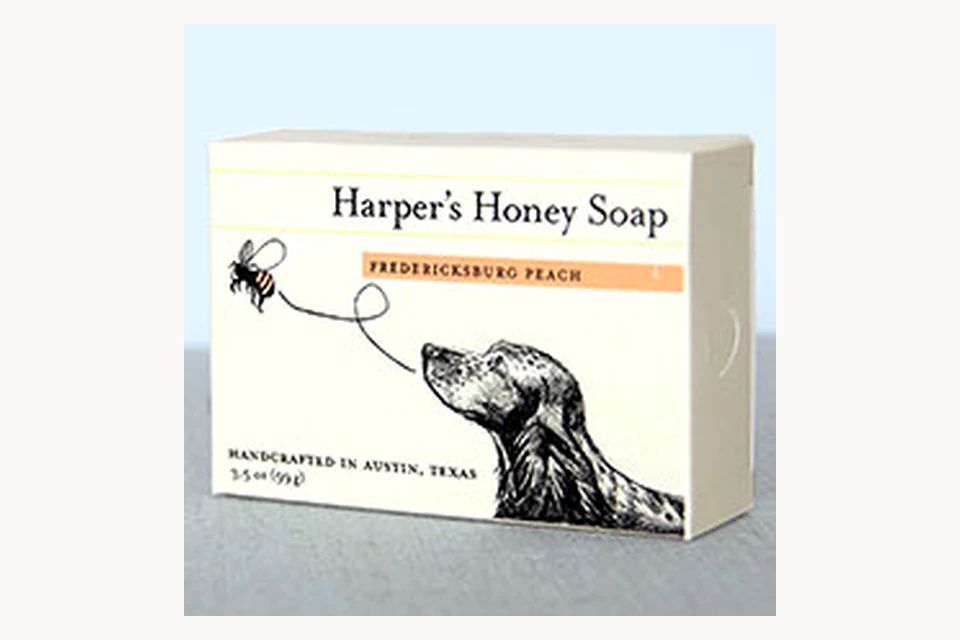
A holster or half box leaves the top open so part of the product remains visible. A soap bar is one familiar example. The selected base and opening need to retain the product during handling.
A shaped top edge or cutout can change the presentation. Review its position and size with YBS so the remaining board supports the intended use.
What to consider
- How much of the product should remain visible.
- The bottom closure and whether it retains the product.
- Any exposed surfaces and handling conditions.
- Structural review of shaped edges and cutouts.

Explore holster boxes or request a quote for your product.
Box Sleeve Packaging (SE)
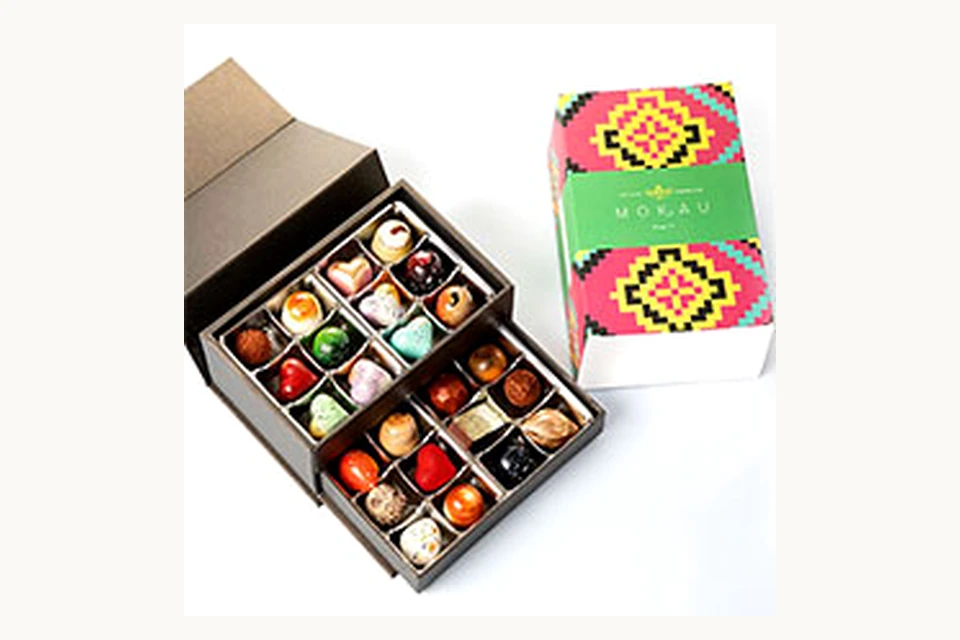
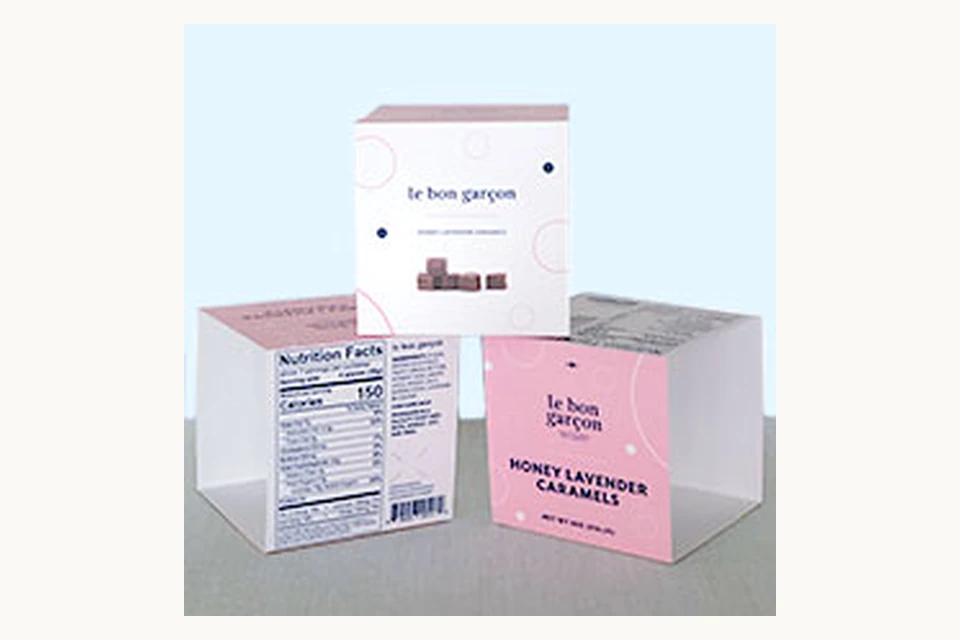
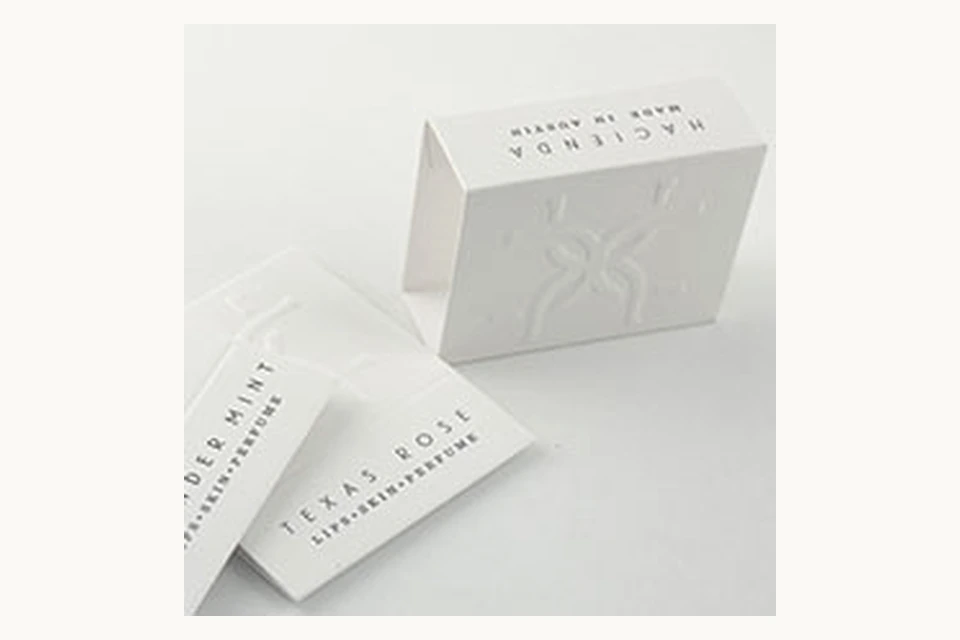
A box sleeve is an open-ended paperboard wrap around a product or inner package. It adds printable branding space while leaving the ends open.
Check the fit, sliding direction and retention on the actual item. A sleeve does not automatically provide the same enclosure or protection as a full box. Compare material use and price for your specific dimensions and quantity.

What to consider
- The product or inner box around which the sleeve must fit.
- How the sleeve stays in place during handling.
- Branding, seasonal designs or product information on the printable panels.
- Any cutouts and their effect on fit and structure.
Request custom box-sleeve pricing and include the dimensions of the item it will wrap.
Counter Display Box
A counter display holds multiple items in a retail presentation. Its design needs to work with the product arrangement, counter space and way customers remove individual items.
Some designs convert a lid into a header. Others use perforated or folding panels to open the display. The setup and opening sequence depend on the structure.
Confirm the filled display's stability, footprint and remaining support as items are removed. Shipping protection and any outer case should be considered separately.
What to consider
- Number, dimensions and arrangement of individual items.
- Retail footprint, header height and branding space.
- Folds, perforations and the intended opening sequence.
- Stability when full and partly empty.

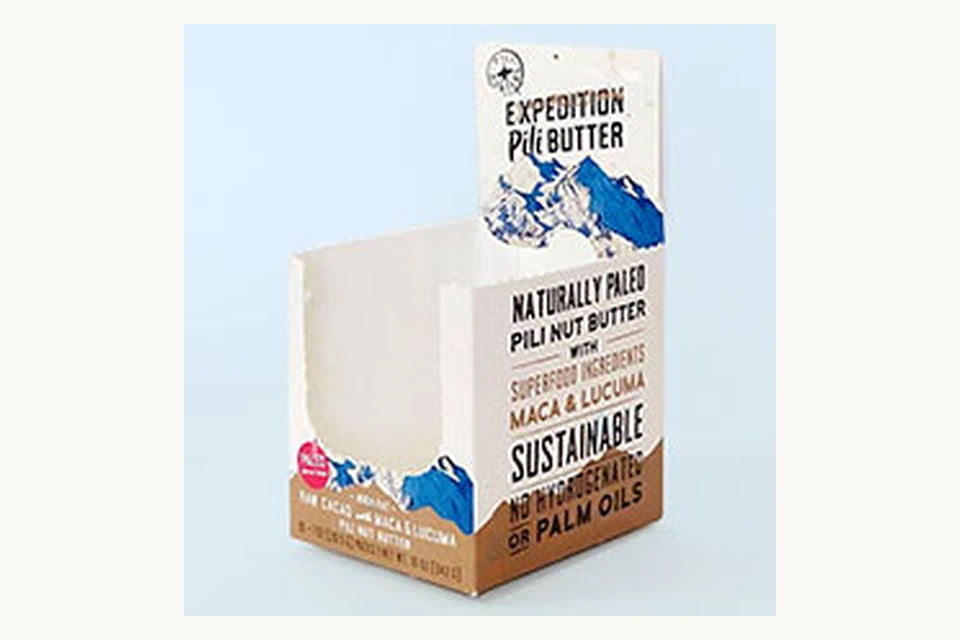
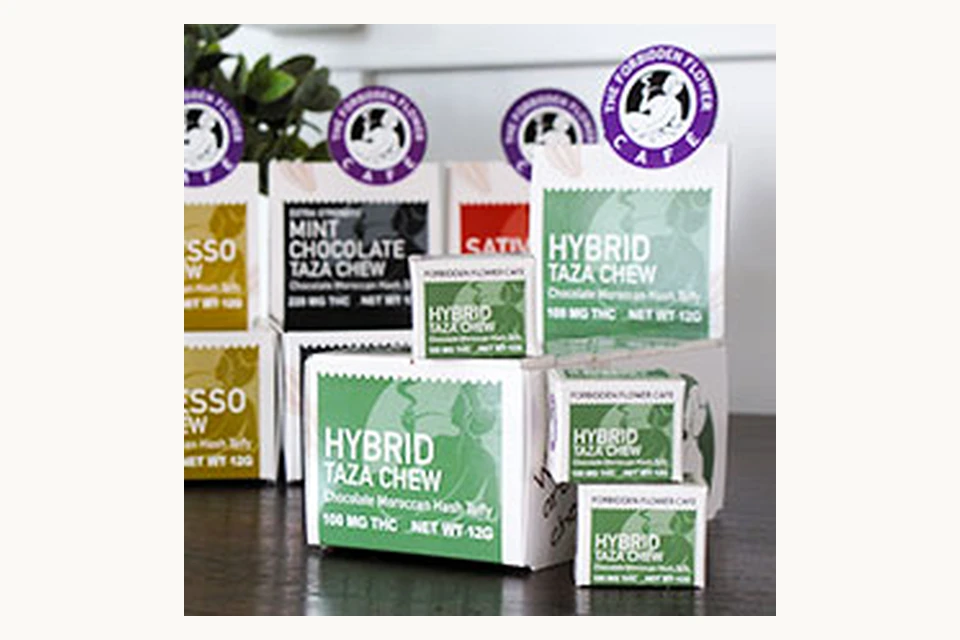
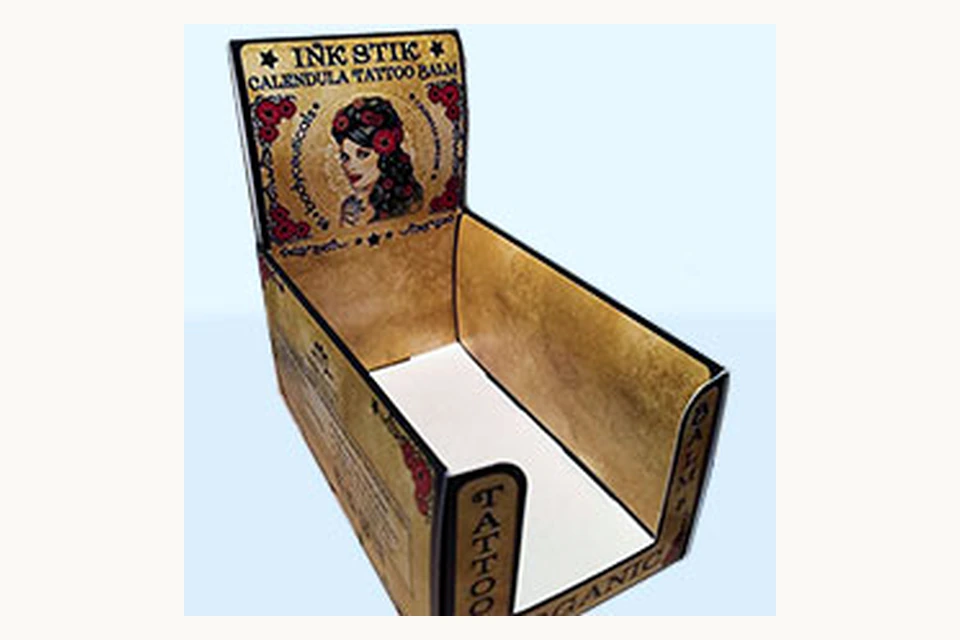
Get a counter-display quote with the product size and number of items per display.
Five-Panel Hanger Box
An added hanging panel allows the carton to be displayed on a retail hook. The main carton can use different closure arrangements; confirm the base, hanging-hole shape and hook compatibility for the finished product.

What to consider
- Retail hook requirements and the required hole position.
- Filled weight and reinforcement around the hanging area.
- How the product sits and remains retained in the carton.
- A filled hanging test before production approval.
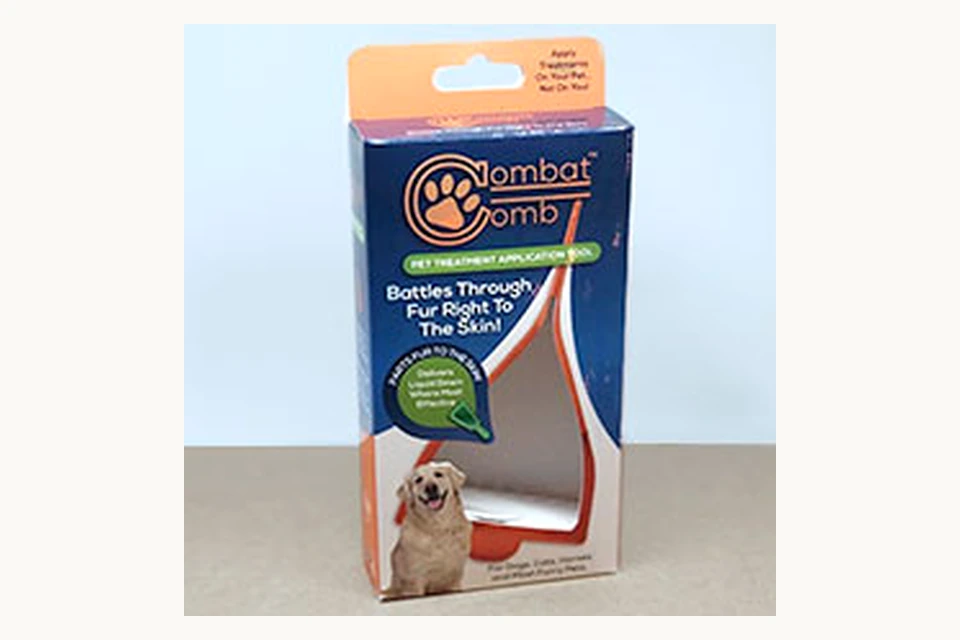
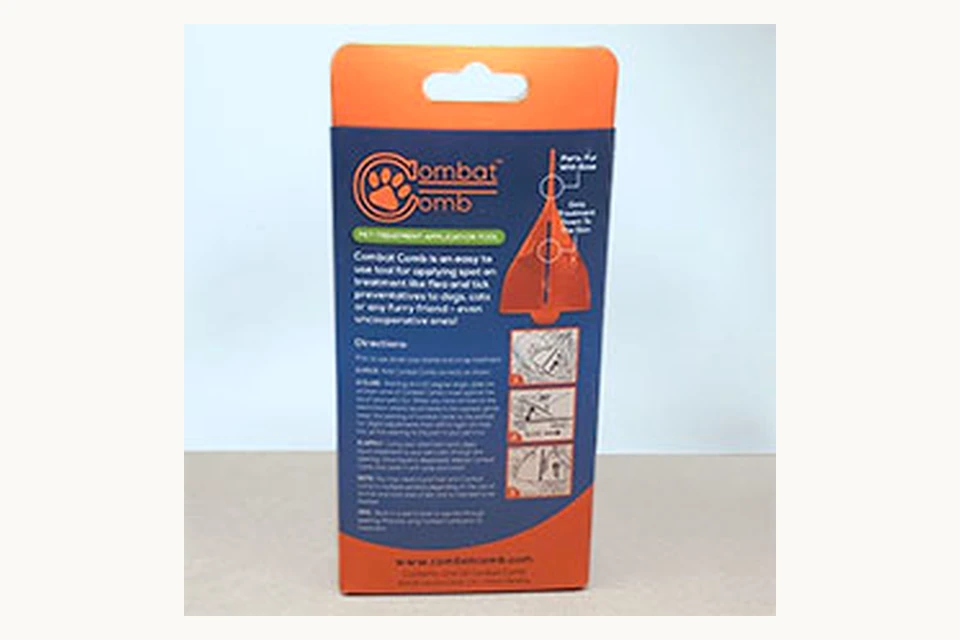

Discuss your retail hanging requirements with YBS before finalizing the structure.
Boxes with Inserts
An insert is a shaped component designed with the carton to organize contents and limit movement. It can separate multiple items or help locate a bottle within a box. Its fit and support depend on the product and complete package.
What to consider
- The shape, weight and number of products being held.
- Contact points and clearance around delicate parts.
- How the insert and carton are assembled and packed.
- Filled-package testing for the intended handling and distribution conditions.

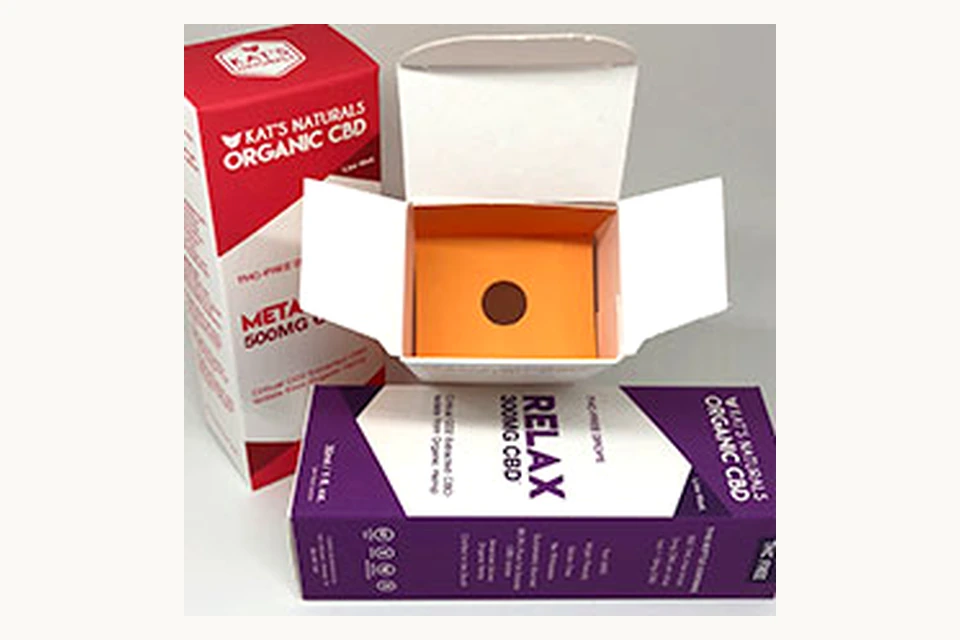
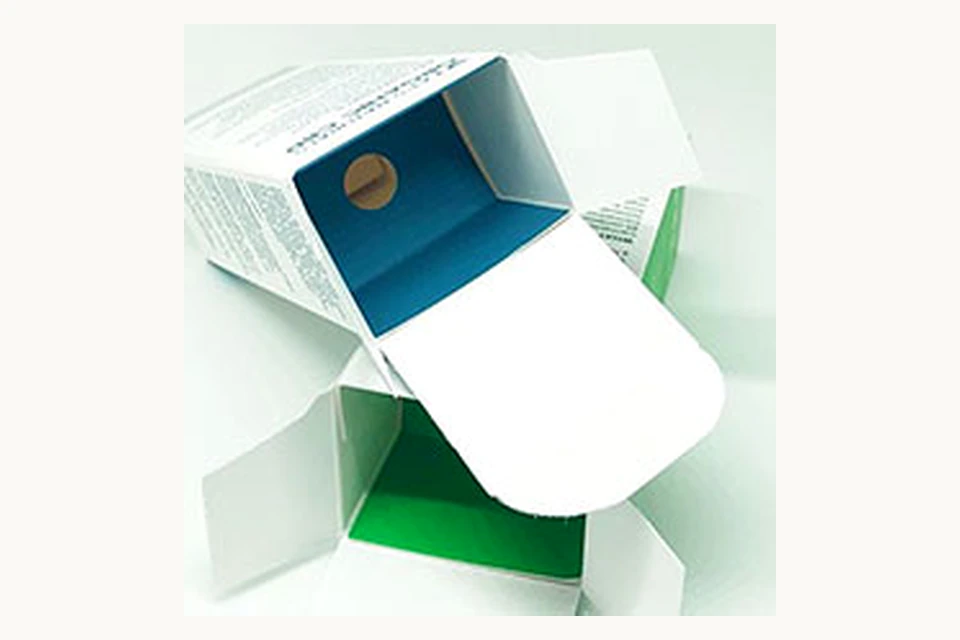
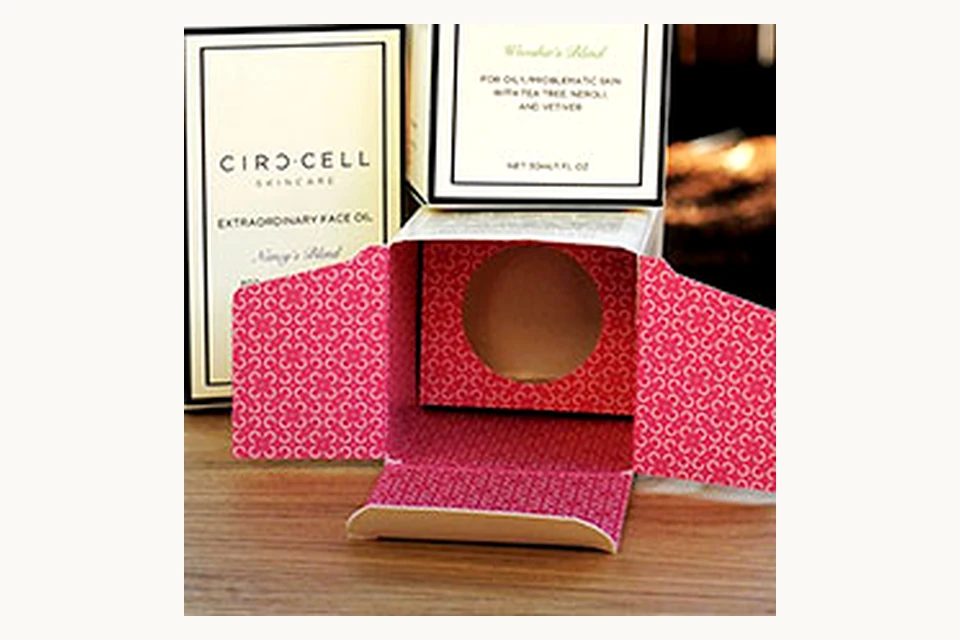
Request a box-and-insert quote and describe how the items should be arranged.
Boxes with Custom Cutouts
A cutout is an opening cut into the paperboard to reveal part of the product or create a design detail. A window covering, if required, is a separate specification to discuss with YBS.
Cutout size, shape and position require structural review, including clearance from folds, edges and locking features. Confirm tooling availability and any custom-tooling charges during quoting.

What to consider
- Which part of the product should be visible.
- How much board remains around the opening.
- Product retention and exposure through the cutout.
- Compatibility with the closure, print layout and selected dieline.
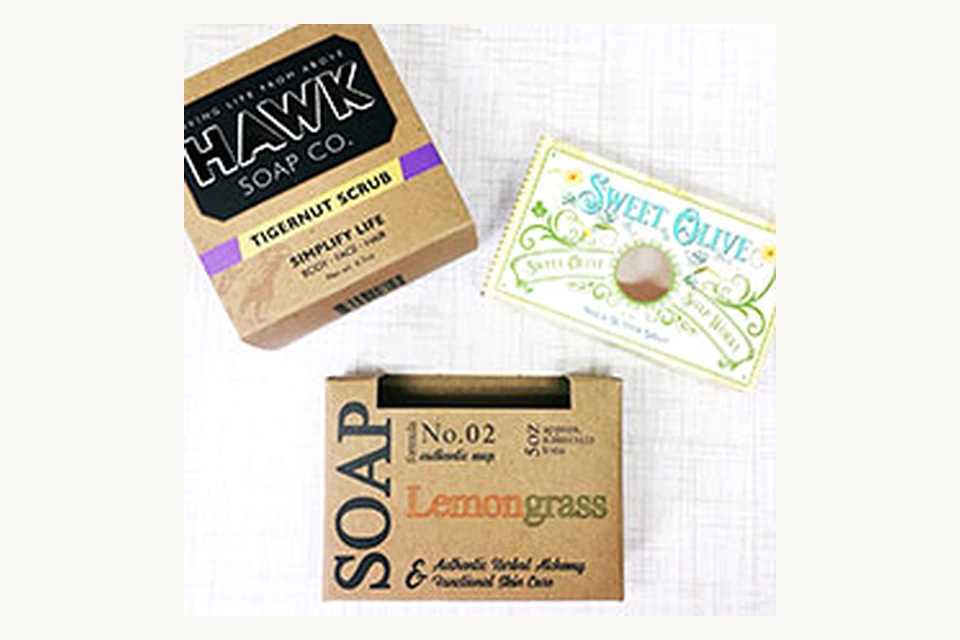
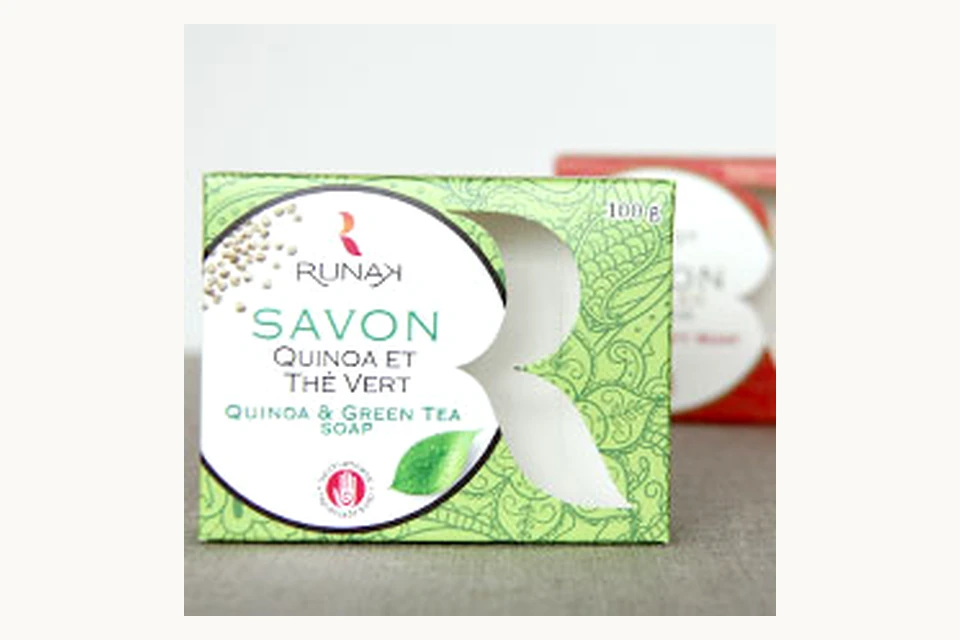
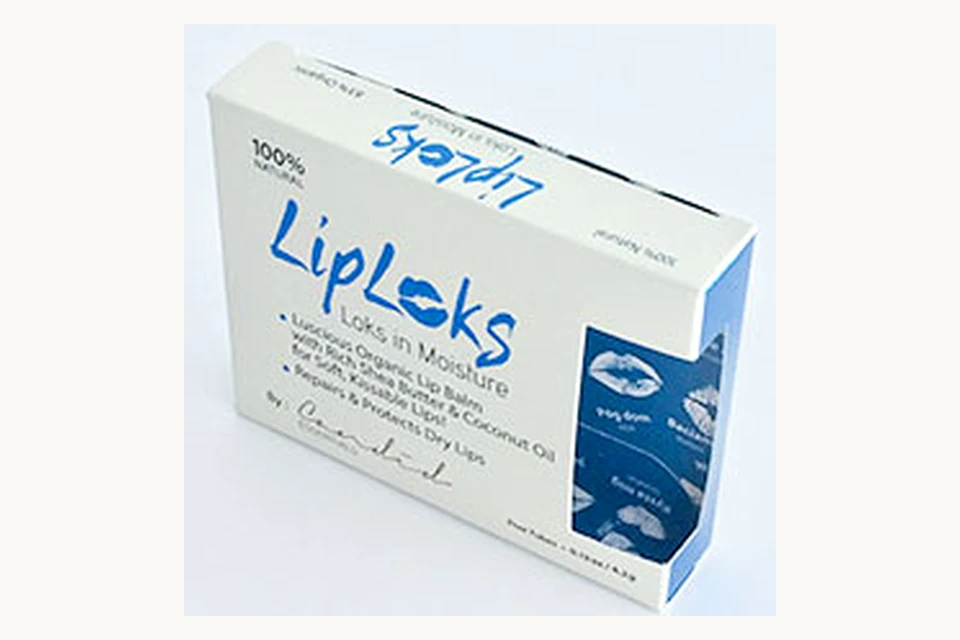
Ask YBS about a cutout for your box before placing it in the final artwork.
Thumb Notches for Easier Opening
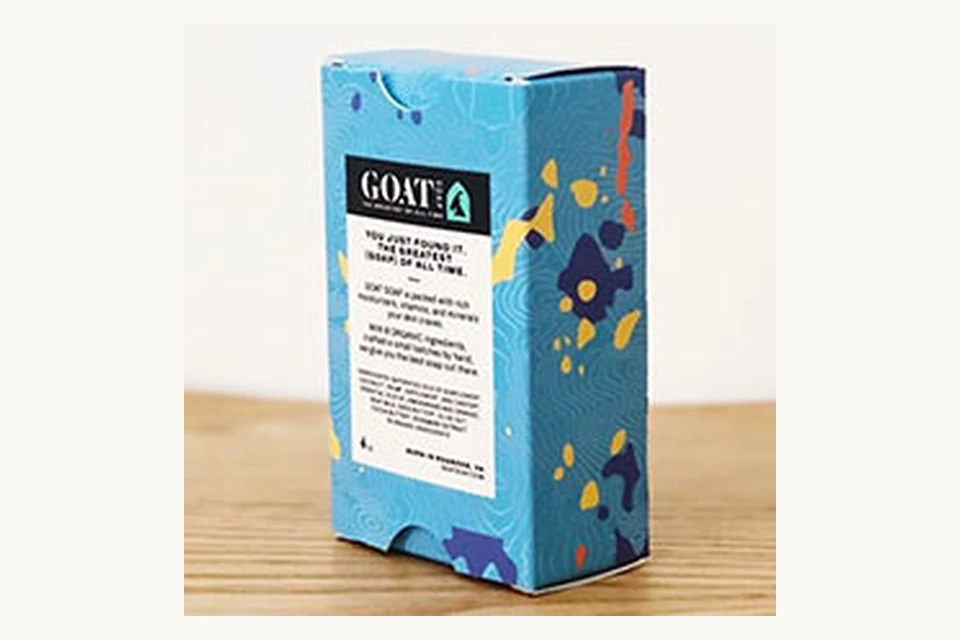
The illustrated thumb notches are small cutaways that give a finger room to open the package. Their shape and position depend on the closure and approved dieline. Confirm that the notch helps access without interfering with product retention.

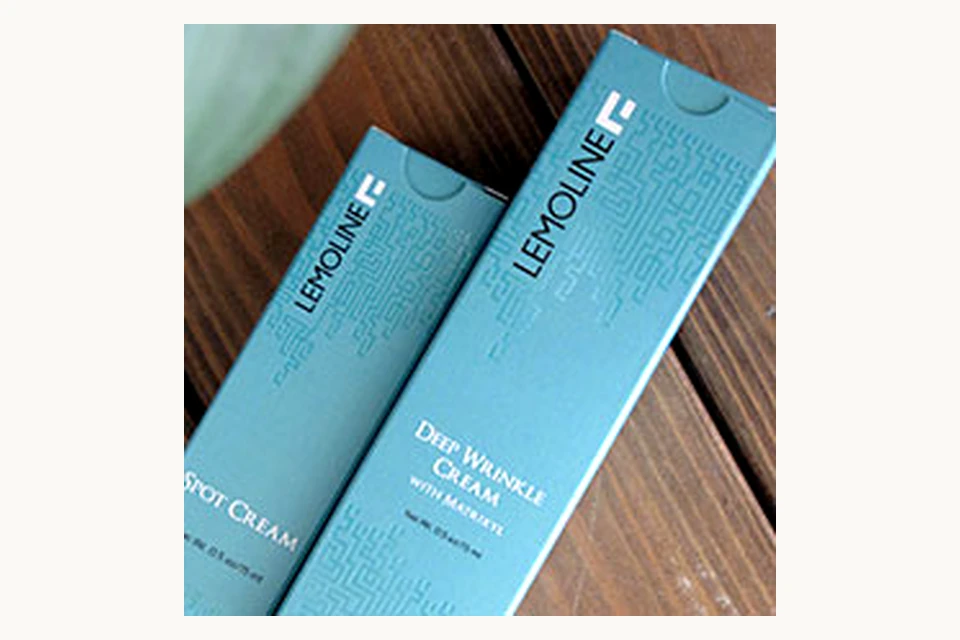
Talk with our team about opening details and usability.
Plan Your Custom Folding Carton Project
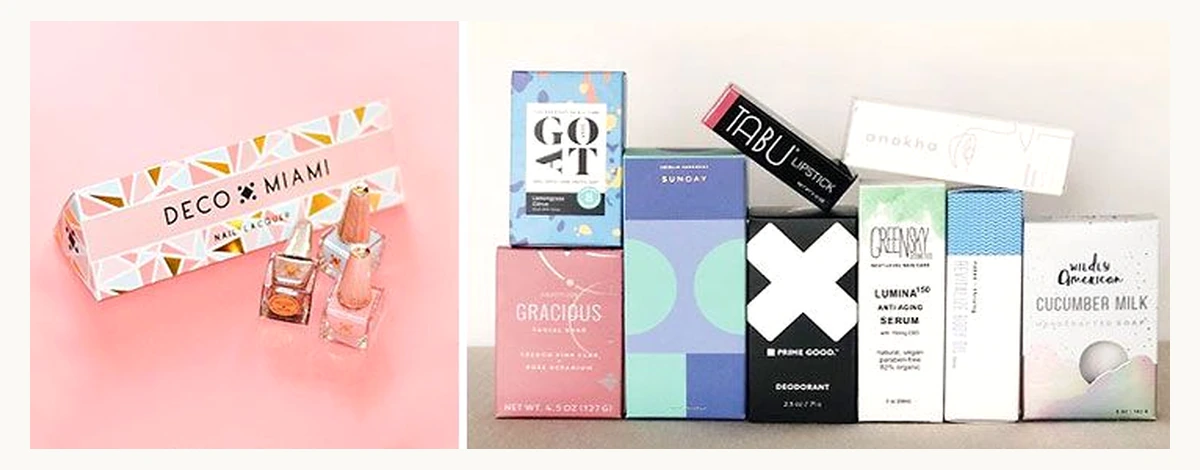
You do not need to arrive with every packaging decision made. Share your product and packing needs so YBS can help narrow the structure, materials and finishing options.
What to Send for a Box Quote
- Product dimensions and weight, including caps, pumps or protruding parts.
- Quantity and number of artwork versions.
- Whether cartons will be packed by hand or machine.
- Shipping, storage and retail-display requirements.
- Any inserts, dividers, hanging panels or cutouts.
- Preferred material, appearance and finish.
- Your target delivery date and any available artwork or product drawing.
Use our box measuring guide to prepare the dimensions, then request a custom box quote. Confirm the finished fit and packing steps with a sample before approving the production dieline.
Move from a Box Concept to Production Artwork
Open Design Studio to explore a box concept. Try your branding on the available folding-carton structure. Studio is a concept-planning tool; confirm the final structure, dimensions and production dieline with YBS.
Prepare final artwork on the approved dieline, following its cut, fold, bleed and safe-text instructions. Keep logos and type as vector artwork where possible, and use raster images at 300 PPI or higher at their final printed size. Contact our team about your artwork or template before final approval.
Want to review materials or print quality first? Ask about available packaging samples.
Let’s turn your product into a packaging plan.
Get a box quote, talk through the details, or start with a concept in Design Studio.
Prefer a conversation? Call (877) 300-2405.

