


For a packaging refresh in 2026, focus on five decisions: material evidence, manageable artwork runs, the opening experience, production coordination, and consistency across boxes, labels, and inserts. The useful question is which change solves a real problem for your product, budget, or packing process.
This is a practical planning guide for small and growing brands, not a market-share forecast or a claim that every customer wants the same package. Use the priorities below to brief a new carton or evaluate an existing one.

1. Replace vague sustainability language with material specifics
Start with a written packaging specification. Identify the board, documented recycled content where relevant, finish, insert, and other components. Then decide which environmental statements are supported for the actual package and market.
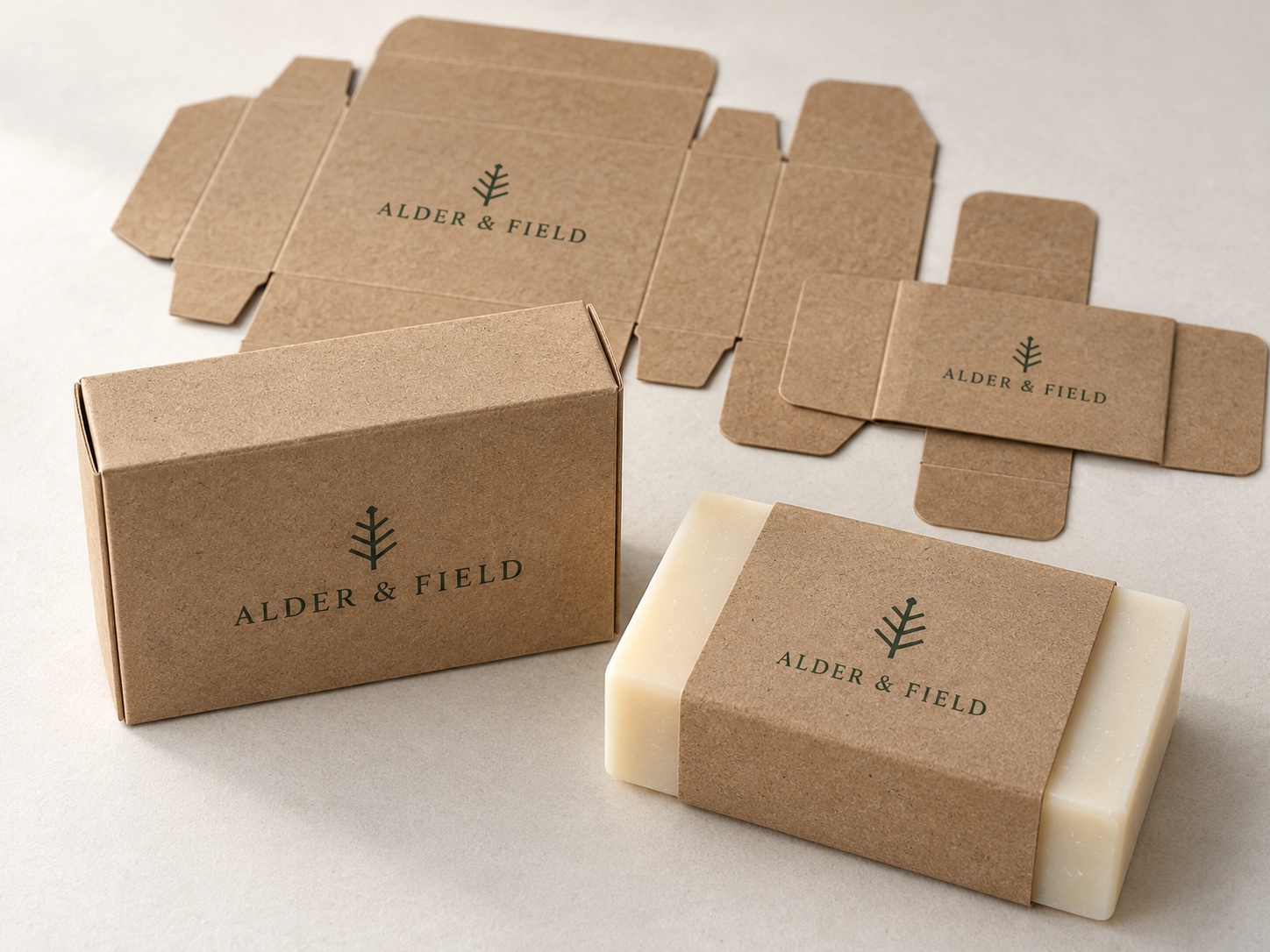
A natural-looking kraft carton may fit a brand, but its color is not proof of environmental performance. White paperboard may suit the artwork better; a right-sized sleeve may use fewer components for one product while a full carton is needed for another. Compare the product's protection needs before removing material.
Practical action: ask your supplier for a material-and-finish breakdown of your current box. Identify one change to evaluate, such as a closer fit or a simpler surface treatment, and check that the product remains protected.
Use our eco-friendly packaging materials guide to separate recycled content, recyclability, and compostability. YBS also publishes information about its materials and production practices.
2. Plan artwork versions around realistic quantities
Seasonal launches and small product lines create a practical packaging question: how much of each design can you use before it changes? A low unit price is less attractive if it leaves you storing obsolete cartons for a discontinued scent or short promotion.
Compare keeping the same structure while changing the artwork. Three soap scents in one carton size are easier to discuss as a coordinated project than three unrelated structures. Whether versions can share a run depends on the supplier's print, material, and finishing requirements.
Practical action: list quantity by SKU, artwork version, and expected reorder date. Ask which versions can be quoted together and what changes would require a separate setup. Do not assume digital printing removes every minimum or special-finishing cost.
The custom packaging MOQ guide explains how to compare order totals and quantity breaks without buying solely on price per box.

3. Make the unboxing experience work in practice
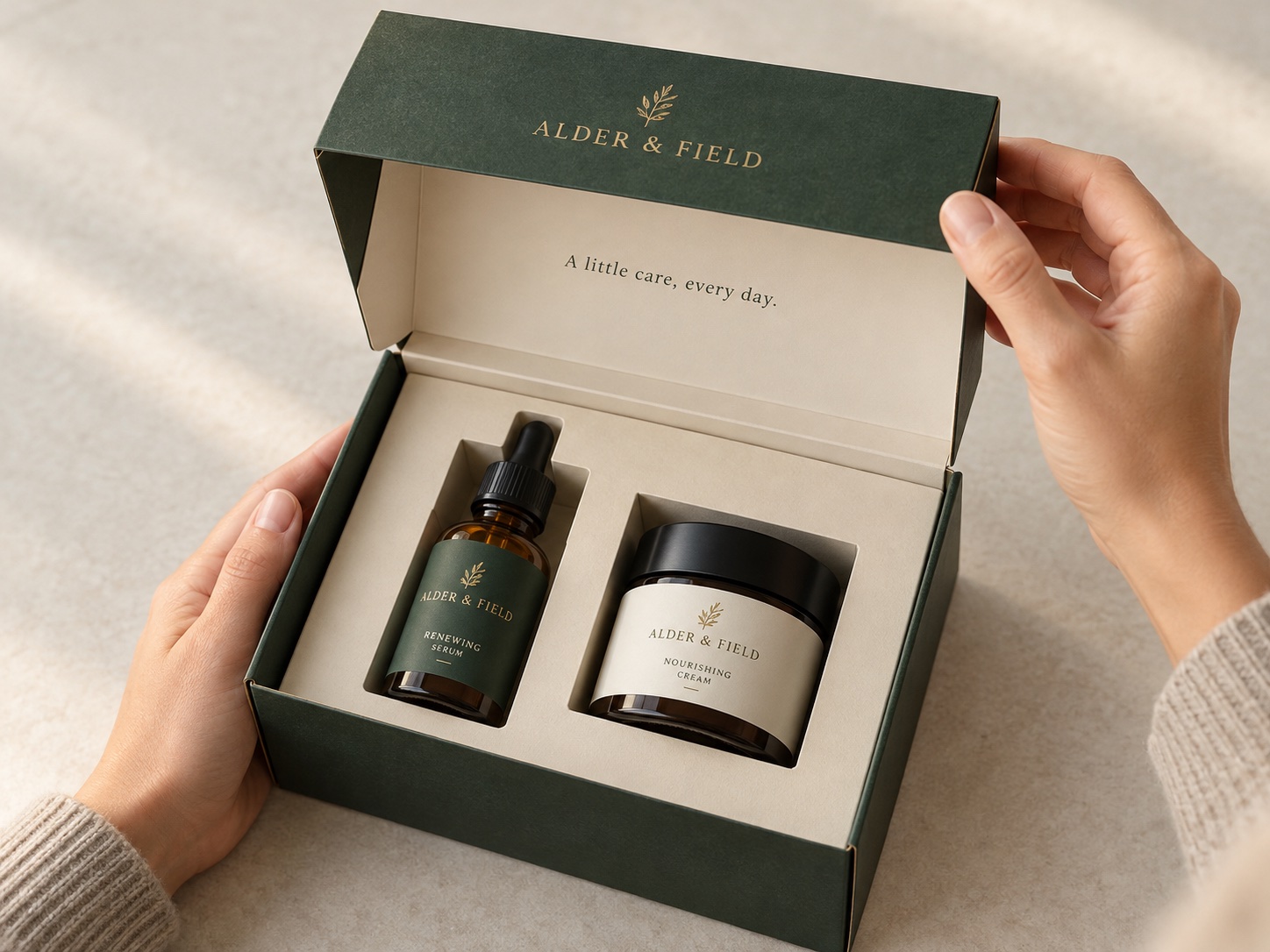
An opening experience includes more than a foil logo. Consider where the customer starts, how the product is retained, whether it can be removed comfortably, and what information appears after opening. A confusing flap or overly tight insert can undermine otherwise attractive artwork.
For a skincare set, an organized insert and concise interior message may be more useful than adding several competing finishes. For a candle carton, check the jar fit and bottom closure first, then evaluate the surface details.
Practical action: give someone a physical sample without instructions and observe how they open it and remove the product. Note the points that need explanation, excessive force, or extra handling. Adjust the structure before adding more decoration.
Compare foil stamping, embossing, and debossing, or explore YBS interior printing and finish options with the intended carton.
4. Build the production schedule around actual milestones
Where a package is produced affects how you coordinate samples, questions, and deliveries, but location alone does not guarantee a lead time. Ask who handles artwork review, when production starts, and how changes are managed after approval.
YBS describes itself as a family-owned manufacturer producing boxes and labels in the USA. Its production-process page explains the sequence from measurement and quote to proof approval and production. Confirm the schedule for your specific project, especially if special materials or finishing are involved.
Practical action: work backward from the date the packaged product must be ready. Allow for artwork, sample review, revisions, approval, production, and freight. Keep the required arrival date separate from the supplier's production completion date.
A physical sample is a useful milestone, but a stock sample pack and a custom printed prototype are different requests. Use the packaging sample guide to clarify which one you need.

5. Treat cartons, labels, and inserts as a coordinated system
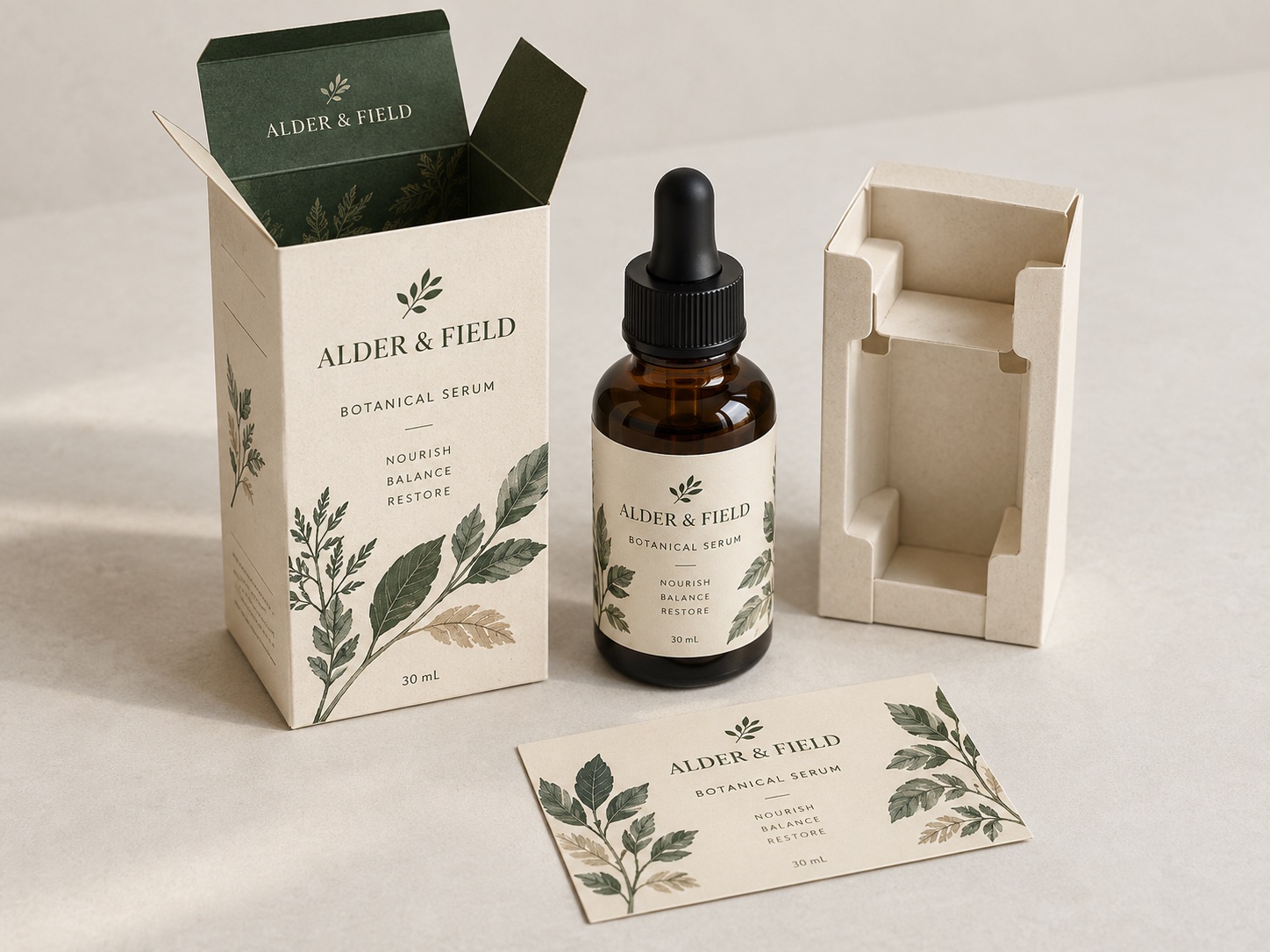
Matching a bottle label to a carton involves more than copying the same digital color value. Different substrates and surface finishes can change the appearance. Layout also needs to work across different dimensions and viewing distances.
Define the shared elements: logo artwork, product naming, color references, version naming, and the information that must appear on each component. Decide where instructions belong so the customer can still find them after discarding the outer carton.
Practical action: review the carton, labeled product, and insert together under the same lighting. Check how they look as a set, how the product is held, and whether a change to one component affects the others. Confirm the scope and specifications for each item in the quote.
Explore custom boxes and custom labels as related parts of the project rather than separate artwork exercises.
Which packaging change should your brand make first?
- Product movement or damaged presentation: address fit, structure, and protection before embellishment.
- Too much unused inventory: review quantities, artwork versions, and the cost of a smaller run.
- Unclear environmental claims: obtain the material evidence before rewriting the carton copy.
- Inconsistent product-family appearance: agree on shared artwork and physical color references.
- A launch deadline at risk: confirm the approval and delivery milestones before changing specifications.
Packaging planning FAQs
Do I need to redesign my packaging every year?
No. Keep a package that works. Prioritize a measurable problem such as fit, assembly, inventory, or readability rather than changing the design for a date on the calendar.
Does premium packaging require multiple finishes?
No. Fit, print clarity, material choice, and a considered opening experience can matter more than the number of embellishments. Compare a focused finish with the full design.
How do I compare a new concept with my existing box?
Use the same product, review both physical samples together, and compare total order cost and packing steps. Keep a record of the specifications behind each option.
Turn a packaging priority into a brief
Request a project quote with the product dimensions, quantities by version, material preferences, and required date. If you are still evaluating the physical options, request samples before committing to artwork and production.
Updated October 13, 2026.

